In the ever-evolving fashion landscape, small batch custom apparel production has become increasingly popular. Brands seek unique, high-quality clothing that reflects their identity. This method allows for more creativity and personal touch. Producing in small batches minimizes waste and promotes sustainability.
Many entrepreneurs are taking advantage of this trend. They focus on craftsmanship over mass production. However, navigating the options can be challenging. It's essential to evaluate providers based on experience and reliability. Not every company can meet the specific needs of small orders.
Choosing the right production partner is critical. Some companies may promise quick turnarounds but lack quality control. Others might excel in artisanal techniques but struggle with scaling. Understanding these nuances is key to making informed decisions. Exploring various production options helps brands stand out and build a loyal customer base. Small batch custom apparel production offers both promise and pitfalls, calling for careful consideration.
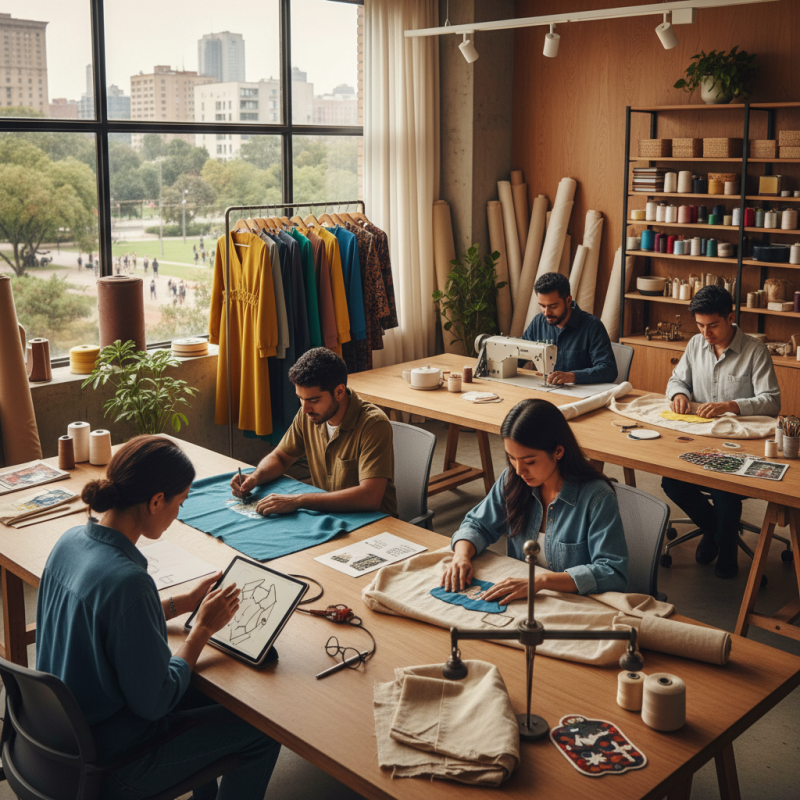
Small batch custom apparel production offers unique advantages for businesses. One significant benefit is the ability to respond quickly to market trends. According to a 2022 report by the Apparel Manufacturing Association, small batch productions can reduce lead times by up to 50%. This allows brands to launch products that align with current consumer desires.
Additionally, small batch production fosters creativity and individuality. Designers can experiment with unique fabrics and styles without committing to large quantities. This flexibility often leads to innovative designs that resonate well with niche markets. A study from the Fashion Institute highlighted that 64% of millennial consumers prefer purchasing from brands that offer customizable products. It reflects a clear shift towards personalization in the fashion industry.
However, small batch production is not without its challenges. Companies may face higher per-unit costs that could impact pricing strategies. The reliance on smaller suppliers can lead to inconsistencies in quality. These factors require brands to navigate careful planning and quality control. Balancing innovation with reliability becomes crucial for sustainable growth.
When selecting a production partner for small batch custom apparel, several key factors emerge. First, assess their experience in your specific market. A partner with a solid track record in similar projects can provide insights that enhance product quality. According to a report from the Small Business Association, 65% of successful apparel brands emphasize the importance of choosing experienced partners. This highlights the need for expertise in the nuances of your apparel niche.
Another critical factor is the flexibility of production runs. Many brand partnerships risk overproduction. This is especially true for small batches where trial and error is common. Industry data shows that companies capable of producing runs as small as 50 items significantly reduce waste and meet market demands better. Flexibility allows for quick adjustments based on consumer feedback, turning initial designs into highly successful products.
Tip: Always ask for samples before committing. This small step can reveal a lot about their production quality.
Lastly, consider communication practices. A reliable partner should provide clear and transparent communication throughout the process. This ensures that misunderstandings don't lead to production delays. According to a recent survey, 40% of apparel brands reported setbacks due to poor communication with partners. In navigating your production choices, remember that trust and collaboration matter greatly.
In recent years, the demand for small batch custom apparel has surged. According to a report by Allied Market Research, the global custom apparel market is expected to reach $1 trillion by 2028. This growth emphasizes the need for companies that specialize in small orders, enabling brands to test designs and minimize waste.
Many companies in the custom apparel industry cater to small businesses and startups, allowing for greater creativity and flexibility. The average minimum order quantity for these companies can vary widely, but trends suggest that many offer options for as few as ten pieces. This approach helps new designers enter the market without a significant financial burden. Additionally, the rise of on-demand printing technologies is making it easier for manufacturers to produce smaller runs with precision and speed.
However, not all companies excel in providing consistent quality in small batches. A frequent challenge in this area is maintaining color accuracy across different sizes and styles. Many customers have reported discrepancies in fabric feel and print quality, leading to dissatisfaction. This highlights the importance of choosing a reliable partner in custom apparel production, one that prioritizes quality control alongside flexibility in order sizes. Businesses should conduct thorough research and seek out reviews to ensure their chosen provider meets industry standards effectively.
In the realm of small batch custom apparel production, eco-friendly practices are more crucial than ever. Sustainable choices can significantly reduce environmental impacts. Many manufacturers are adopting organic materials. These fabrics have fewer toxic chemicals, providing a safer choice for both consumers and the planet. Furthermore, using natural dyes is a growing trend. They avoid synthetic chemicals and minimize water pollution.
However, eco-friendly practices aren't without challenges. Sourcing sustainable materials can be more expensive. This adds to the overall production costs. Small brands often struggle to balance sustainability and affordability. Additionally, maintaining consistent quality with eco-friendly materials requires expertise. Not all manufacturers have the necessary experience to navigate these complexities.
Investing in eco-friendly practices can enhance brand reputation. Customers increasingly prefer brands with strong environmental commitments. Yet, it’s essential to communicate transparency. Brands must be honest about their processes and sourcing methods. This can build trust with consumers. Also, reflecting on practices can lead to improvements. Exploring innovative solutions is vital for a sustainable future in fashion.
In 2026, the landscape of custom apparel is shifting towards sustainability and personalization. Research indicates that 73% of consumers prefer brands that prioritize eco-friendly materials. This trend is reshaping small batch production practices. Brands need to consider the source of their materials and production methods. Transparency in the supply chain is becoming a necessity, not a luxury.
Small batch custom apparel is also influenced by technology. Digital printing and on-demand production are gaining traction. According to a 2023 industry report, 50% of small businesses are investing in these technologies. This minimizes waste and allows for smaller order quantities. However, not all brands are fully leveraging these tools. There’s a learning curve, and some may struggle to adapt quickly enough to meet consumer expectations.
Market data shows that personalization can increase customer loyalty. Customization options appeal to individual preferences. However, many companies find it challenging to implement effective personalization strategies. This can result in missed opportunities to engage customers fully. The path forward requires a commitment to refining these offers while balancing quality and efficiency. Balancing these elements is crucial for success in a competitive market.
: Assess their experience in your market. Expertise can enhance product quality significantly.
Flexibility helps prevent overproduction and reduces waste. It allows quick adjustments based on feedback.
A partner capable of producing as few as 50 items can better meet market demands.
Always ask for samples. This reveals a lot about their production quality.
Poor communication can lead to delays. Clear, transparent dialogue is essential for smooth processes.
Sustainable choices reduce environmental impacts and attract consumers who value eco-friendliness.
Sustainable materials can be more expensive. Balancing cost and sustainability can be tough.
Transparency about sourcing methods and processes is vital for customer trust.
Yes, customers prefer brands with strong environmental commitments, boosting brand image.
Reflecting on current practices can lead to improvements and innovative solutions for sustainability.
The article "2026 Best Small Batch Custom Apparel Production Options" highlights the growing trend of small batch custom apparel production, emphasizing its numerous advantages such as flexibility, reduced waste, and the ability to cater to niche markets. It outlines key factors businesses should consider when choosing a production partner, including quality control, communication, and overall production capabilities.
Additionally, the article explores top custom apparel companies that specialize in small batches, showcasing innovative practices and eco-friendly manufacturing techniques that align with sustainability trends. As demand for personalized and environmentally conscious apparel rises, understanding the latest trends in custom apparel production for 2026 becomes essential for brands seeking to thrive in a competitive market.
