What is Bespoke Apparel Production and How to Source It?

Time:2026-03-30 Author:Madeline
0%

Bespoke apparel production has gained significant traction in the fashion industry, driven by consumer demand for personalized garments. According to a 2022 report by McKinsey & Company, the global bespoke tailoring market is expected to reach $8 billion by 2025. This growth reflects a shift towards individuality, as consumers seek unique pieces that reflect their personal style.

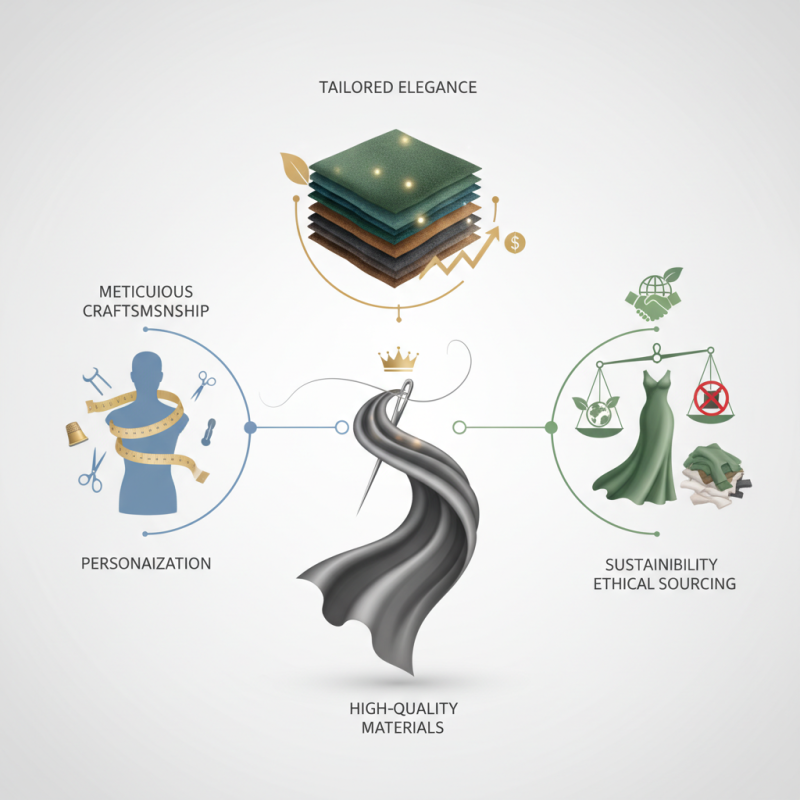
Bespoke apparel production involves meticulous craftsmanship and high-quality materials. Each piece is tailored specifically to an individual’s measurements and preferences. This process not only enhances the fit but also fosters a connection between the wearer and the garment. However, the industry faces challenges, including rising production costs and sustainability concerns. Reports indicate that around 30% of fashion waste stems from overproduction in standard retail.

As brands navigate these complexities, sourcing bespoke apparel can be daunting. Establishing reliable partnerships with skilled artisans and manufacturers is crucial. The demand for transparency in supply chains is rising, making ethical sourcing a priority. Ultimately, bespoke apparel production could be a means to counteract fast fashion’s impact, making the pursuit of tailored elegance a worthwhile investment.
What is Bespoke Apparel Production and How to Source It?

What is Bespoke Apparel and Its Historical Significance in Fashion Industry

Bespoke apparel represents a unique intersection of craftsmanship and personal expression. Historically, it traces back to the 19th century in Savile Row, London, where tailor-made suits became a hallmark of sophistication. This method allows clients to enjoy garments meticulously tailored to their measurements and preferences, underscoring individuality in a world of mass production.

Recent industry reports indicate a resurgence in bespoke fashion. According to a 2023 study by McKinsey, nearly 70% of consumers today seek personalized experiences for enhanced satisfaction. This trend reflects a desire for quality, sustainability, and connection to artisans. However, many bespoke businesses struggle with scalability and efficiency. Taking time to embrace modern technology can aid in streamlining production without sacrificing craftsmanship.

Tips: Consider incorporating eco-friendly fabrics. Sustainable practices appeal to conscious consumers. Look for local artisans to enhance community connection. Engaging with customers is crucial; feedback can refine your offerings. Bespoke apparel is not solely about exclusivity but creating a dialogue with clients as well.

Key Differences Between Bespoke, Custom, and Ready-to-Wear Apparel

Bespoke apparel refers to clothing made specifically for an individual. This process involves extensive customization and personal fitting. The result is often a piece that embodies the wearer’s style and preferences. Bespoke garments typically require multiple fittings to ensure a perfect fit. This level of attention to detail sets them apart from other categories.

Custom apparel lies somewhere between bespoke and ready-to-wear. It allows for personalization, but often uses existing patterns. Customers can choose fabrics, colors, and modify designs. While it provides uniqueness, it might not offer the flawless fit of bespoke items. On the other hand, ready-to-wear apparel is mass-produced. It is widely available in various sizes and styles. This category caters to a broader audience but lacks the individuality that bespoke and custom options provide.

Choosing between these options can be overwhelming. It's essential to consider budget, style, and the importance of fit. Many may discover that ready-to-wear doesn’t meet their expectations after purchasing. Others may find bespoke prices daunting. Reflecting on your needs and desires can help clarify the right choice.

The Process of Bespoke Apparel Production: A Step-by-Step Guide

Bespoke apparel production is a meticulous process. It begins with understanding the client's unique preferences. Gathering specific measurements is crucial. This ensures a perfect fit tailored to individual body shapes. Communication between the client and the tailor plays a vital role. Detailed discussions about fabric choices, styles, and designs shape the final product.

The production phase is intricate. Experienced artisans create patterns based on the initial measurements. This stage can be time-consuming. Mistakes in this process require corrections, leading to delays. Fabric selection must align with the client’s vision. Textiles should reflect both quality and comfort. Assembling the garment involves skilled craftsmanship, often requiring multiple fittings. Each fitting provides an opportunity to make adjustments.

Quality control remains essential at every step. This ensures that the final product meets high standards. However, challenges may arise during production. Miscommunication can lead to unexpected results. It's important to remain flexible and adapt to changes. Each bespoke piece should narrate a unique story, reflecting the individuality of its wearer.

Sourcing Materials for Bespoke Apparel: Quality vs. Cost Considerations

Sourcing materials for bespoke apparel involves navigating a complex landscape of quality and cost. High-quality fabrics can elevate a garment's appeal and durability. However, they often come at a premium price. Many manufacturers face the constant challenge of balancing these two factors. Cost-effective choices might sacrifice the garment's longevity or aesthetic. For example, a cheaper fabric may look good initially but could fade or wear out quickly.

It's essential to inspect samples before committing to bulk orders. Evaluate the touch, appearance, and behavior of fabrics under different conditions. This hands-on approach builds confidence in sourcing decisions. Yet, it’s also prudent to have a clear budget. If the financial constraints restrict quality, consider investing in fewer pieces of higher quality. This approach provides a better return in the long run.

Communication with suppliers is critical. Some may offer insights into the sourcing process that are invaluable. Cultivating these relationships can reveal hidden gems among lesser-known materials. While cost reduction is tempting, disregard for quality can result in disappointing outcomes. The art of bespoke apparel lies in this delicate balance, and reflecting on these decisions can lead to more thoughtful sourcing strategies.

Current Trends in Bespoke Apparel: Market Growth and Consumer Demand

Current trends in bespoke apparel indicate significant market growth driven by rising consumer demand for personalized clothing options. According to a market research report, the global bespoke apparel market is expected to reach $25 billion by 2025, showcasing a compound annual growth rate (CAGR) of 8%. This growth reflects a shift in consumer behavior, where shoppers increasingly prioritize individuality and quality over mass-produced garments.

The surge in demand can also be linked to the growing awareness of sustainable fashion. Consumers are becoming more conscious of their environmental impact and are seeking clothing that is ethically made. Bespoke apparel often involves sustainable practices, aligning with the values of today's buyers. Many are willing to invest in pieces that offer a better fit and longer lifespan.

Tip: Prioritize quality over quantity when considering bespoke pieces. Invest in garments that resonate with your personal style and ethical values.

While the market thrives, challenges remain. Not all consumers understand the bespoke process. Misconceptions about affordability and accessibility can deter potential buyers. Additionally, production constraints may affect turnaround times, leading to customer dissatisfaction.

Tip: Educate yourself on bespoke options available in your area and don't hesitate to ask about fabric choices and production times. Engage directly with craftsmen to enhance your understanding.

FAQS

: What is bespoke apparel production?

: Bespoke apparel production is a tailored process creating unique clothing for individuals. It focuses on personalized preferences and measurements.

Why is measurement gathering important?

Accurate measurements ensure a perfect fit. Each body shape is different, so specifics matter.

How does communication impact the process?

Clear communication is vital. It shapes details like fabric choices and designs. Misunderstandings can lead to problems.

What challenges may arise during production?

Mistakes can happen when creating patterns. Corrections can delay the timeline. Miscommunication is another common issue.

What should I consider when selecting fabrics?

Fabrics should align with your vision. Think about comfort and quality when making choices.

Why is quality control important?

Quality control ensures high standards at every step. It's crucial for a satisfactory final product.

How is the market for bespoke apparel changing?

There’s growing consumer demand for personalized clothing. Many prioritize individuality and quality over mass-produced clothing.

What drives the interest in sustainable fashion?

Awareness of environmental impact is rising. Consumers seek ethically made clothing options that last longer.

How can I learn more about bespoke options?

Educate yourself by engaging with local craftsmen. Ask questions about fabric choices and specific production times.

Are bespoke garments always affordable?

Many think bespoke is out of reach. However, some pieces might be worth the investment for quality and uniqueness.

Conclusion

Bespoke Apparel Production refers to the creation of custom-fitted clothing tailored specifically for an individual. This practice has deep historical significance in the fashion industry, reflecting craftsmanship and exclusivity that sets it apart from other clothing types like custom or ready-to-wear apparel. The process of bespoke apparel production involves several meticulous steps, including initial consultations, measurements, design selections, and multiple fittings to achieve the perfect fit.

When sourcing materials for bespoke items, the balance between quality and cost is crucial, as high-quality fabrics contribute to the overall appeal and durability of the garment. Currently, the bespoke apparel market is experiencing notable growth, fueled by increasing consumer demand for personalized fashion experiences. This trend indicates a shift towards valuing individual craftsmanship and sustainability in clothing, solidifying the relevance of bespoke apparel in today’s fashion landscape.

Madeline

Madeline

Madeline is a dedicated marketing professional with a wealth of expertise in our company's core offerings. With a keen understanding of the industry, she brings a unique perspective to her role, consistently delivering high-quality content that highlights the superior aspects of our products. As......