As we look towards the future of bespoke apparel, a dynamic market emerges. The bespoke apparel future outlook reveals innovative trends that cater to diverse clientele. Customization remains at the core of bespoke offerings, enhancing personal expression through unique designs.
Environmental concerns shape consumer preferences. Sustainable materials gain traction, pushing brands to adapt. This shift towards eco-conscious choices presents challenges for traditional suppliers. They must rethink their processes to align with this growing demand.
Technology plays a pivotal role in reshaping bespoke apparel. 3D printing and virtual fittings offer exciting possibilities. Yet, the integration of technology is not without its hurdles. Striking a balance between craftsmanship and automation remains a crucial consideration. The journey ahead is filled with opportunities, but it also demands reflection and strategic adaptation.
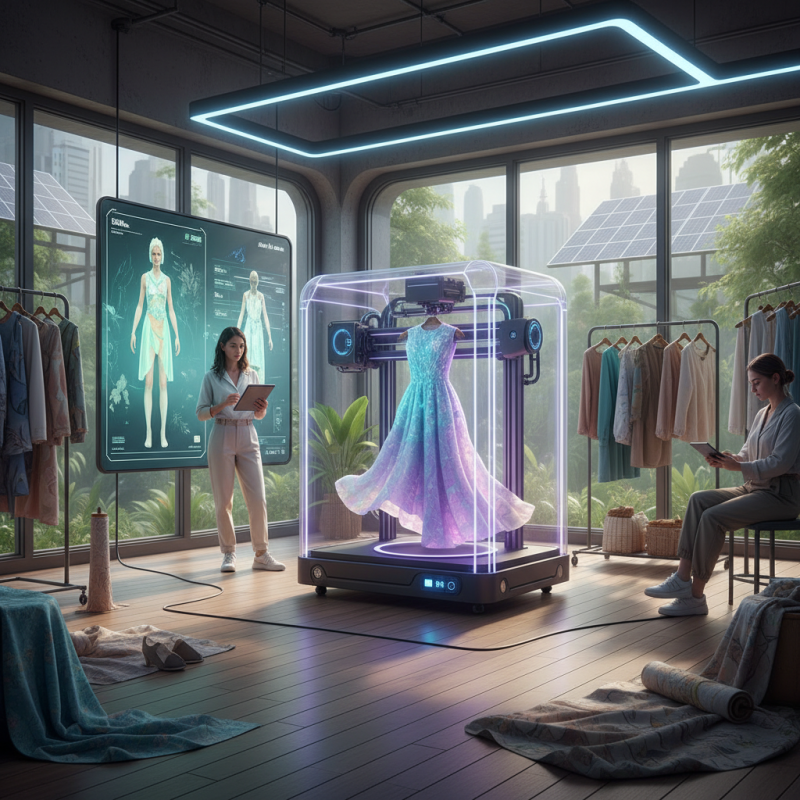
Bespoke apparel continues to evolve, catering to the tastes of modern consumers. The demand for personalized clothing reflects a desire for individuality in fashion. Customization goes beyond mere fit; it includes unique fabrics, colors, and styles. Many are opting for sustainable materials to reduce their environmental footprint. The focus has shifted to comfort, with relaxed silhouettes dominating the scene.
Emerging styles include oversized blazers and tailored joggers, combining elegance with relaxation. Layering is a key technique, allowing wearers to express creativity. Details like unique buttons, custom embroidery, and unexpected patterns can enhance a simple design. Yet, some trends may seem impractical. Oversized fits might overwhelm petite frames, and intricate designs can make customization challenging. Balancing creativity with wearability is essential for success in this space.
As bespoke apparel grows, the challenge lies in evolving consumer preferences. Today's shoppers crave a connection with their clothing. However, staying ahead means brands must adapt quickly. Good ideas may not resonate with all audiences. A miscalculation can lead to lackluster sales. The future of bespoke apparel requires continuous feedback and innovation.
The bespoke fashion industry is undergoing a significant transformation driven by sustainable practices. Consumers are becoming more aware of their choices. They seek garments that combine luxury with responsibility. This shift influences how artisans approach their craft. They focus on eco-friendly materials, reducing waste. Yet, many struggles to balance tradition and innovation.
Sustainable practices present unique challenges. For instance, sourcing organic fabrics can be costly. Not all bespoke studios can afford these materials. Additionally, some artisans face difficulties in finding reliable suppliers. Adapting production methods to be eco-conscious often takes time. These hurdles require constant reflection and adaptation.
However, the trend toward sustainability offers opportunities. Designers can experiment with upcycling and local craftsmanship. This not only reduces environmental impact but also fosters community connections. By embracing a more sustainable approach, bespoke apparel can evolve. Yet, the path is not without its imperfections, calling for continuous improvement and creativity.
The bespoke apparel market is evolving rapidly. Technological innovations are reshaping custom clothing experiences. A recent report indicated that the global custom apparel market is projected to reach $10 billion by 2025. Digital solutions play a crucial role in this transformation.
3D scanning technology is becoming essential. It allows for precise measurements of the body. This ensures a perfect fit, reducing waste in production. Some tailoring businesses are integrating augmented reality. Customers can visualize their designs instantly. Yet, sometimes the virtual experience may not reflect reality.
Tip: Always request physical swatches before order placements to avoid disappointment.
Sustainability is another significant trend. A McKinsey report noted that 66% of consumers are willing to pay more for sustainable fashion. Many brands are experimenting with eco-friendly materials. This is a positive step, but it’s crucial to ensure transparency throughout the supply chain. There is still a gap in consumer awareness.
Tip: Educate yourself on the materials used in your custom garments.
While technology enhances the experience, human touch remains vital. Personalized services, whether online or offline, can deepen customer loyalty. Combining tech with traditional craftsmanship can create unique offerings. However, businesses must balance innovation with the personal connection.
The landscape of personalized fashion is evolving rapidly. Recent reports indicate that around 30% of consumers are willing to pay a premium for bespoke apparel. This surge in demand highlights a shift towards unique fashion solutions that reflect individual styles. As millennials and Gen Z increasingly prioritize personalization, brands must adapt to these shifting preferences. Customized options, such as tailored fits and unique fabric choices, are likely to become key differentiators in a crowded market.
Tips for tapping into this trend include leveraging technology. 3D body scanning is becoming more accessible. This innovation allows brands to offer precise fitting options, meeting customer needs effectively. Additionally, consider integrating AI-driven design tools. These tools can help predict individual consumer trends and enhance the customization process.
Another area of focus should be sustainability. Ethical practices resonate with today's consumers. A study shows that 70% of shoppers prefer environmentally friendly options. Therefore, sourcing sustainable materials can elevate a brand's appeal. Brands must reflect on their practices and consider using recyclable fabrics. Building a transparent supply chain can also foster trust. Emphasizing these values will attract a loyal customer base in the future of bespoke apparel.
Demographic shifts are reshaping the bespoke apparel industry. As new generations emerge, their preferences influence design and production techniques. Millennials and Gen Z prioritize sustainability and individuality. They seek unique pieces that reflect their identity, not mass-produced items.
Tips: Understand your audience. Research their values and tastes. Creating custom apparel requires a connection with buyers. Consider their lifestyle and needs. Employ technology for personalization. AI can help craft designs that resonate.
As demographics change, so do buying habits. Urbanization is rising. More consumers are urban dwellers. They favor local production over overseas manufacturing. This shift can drive growth in bespoke apparel. Engaging with communities can foster a loyal customer base. Listen to feedback. Adjust your offerings accordingly. Strive for improvement, even if not perfect.
: The product aims to enhance user experience. It helps in daily tasks and improves productivity.
Use it according to the guidelines provided. Follow instructions carefully to achieve the best results.
Yes, avoid exposure to extreme temperatures. Store it in a cool, dry place for longevity.
Check the connections and settings. Restarting the device may resolve minor issues.
Yes, return policies allow for refunds. Ensure the product is in its original condition for a smooth return.
Yes, customer support is accessible via email or phone. They can assist with troubleshooting and inquiries.
The bespoke apparel future outlook is promising, driven by emerging styles that cater to the contemporary consumer's desire for individuality and expression. As preferences shift, the industry is witnessing a rise in personalized fashion solutions that blend quality craftsmanship with modern aesthetics. Sustainable practices are also becoming pivotal, with brands prioritizing eco-friendly materials and processes that not only appeal to the environmentally conscious shopper but also enhance the overall appeal of bespoke garments.
Technological innovations further shape the landscape of custom clothing, offering unprecedented personalization options through advanced fitting technologies and online customization platforms. As demographic shifts influence shopping habits, a growing interest in bespoke apparel among younger generations is evident. This convergence of style, sustainability, technology, and demographic awareness highlights the transformative potential of bespoke apparel in meeting the evolving demands of today's market.

Mibel Garment