In an ever-evolving fashion landscape, "Custom print clothing inspiration" has become a pivotal point for global buyers. With increasing demand for unique styles, custom print clothing offers an avenue for self-expression. Buyers are seeking garments that reflect their individuality and cultural identities. This trend pushes brands to innovate and cater to diverse preferences.
Yet, the challenge remains. Not every design resonates with every audience. Some custom prints can appear overly generic, lacking depth and meaning. This is where authenticity plays a crucial role. Brands must prioritize quality over quantity. A poorly designed garment can damage a company's reputation and deter future sales.
Navigating this vibrant market requires a keen understanding of consumer desires. Insightful choices in design can make all the difference. As global buyers explore this realm, they must weigh creativity against practicality. Custom print clothing is not just about aesthetics; it’s about creating a connection between the wearer and the garment. Reflecting on the success and failures of various designs can lead to better choices in the future.
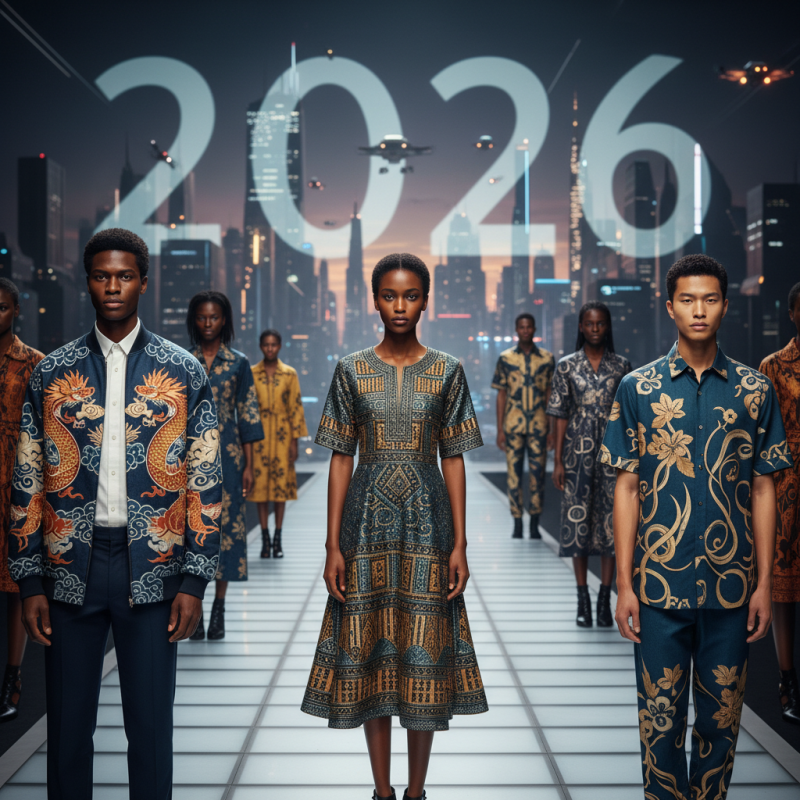
In 2026, custom printed clothing is set to embrace individuality and sustainability. As consumers increasingly seek unique designs, there will be a focus on personal expression through fashion. Bold colors and intricate patterns will dominate the market, with a shift towards eco-friendly materials, reducing environmental impacts.
Emerging technologies will play a significant role. Innovations in printing methods will allow for more detailed and durable designs. Digital printing will gain traction for its efficiency and minimal waste. However, not all designs will succeed. Many may find their concepts do not resonate with broader audiences. Striking the right balance between creativity and market demand will be crucial.
Moreover, cultural influences will shape trends. Global events and local traditions can inspire design ideas. Yet, brands need to approach cultural elements with sensitivity. Misrepresentation could lead to backlash. Custom printed clothing in 2026 will be a blend of artistic ambition and ethical awareness. This duality challenges designers to rethink their approach continually.
Custom apparel allows for creativity and personal expression. As global buyers seek unique designs, effective techniques become essential. One powerful method is screen printing. This technique delivers vibrant colors and intricate designs on various fabrics. However, it requires precise setup and expertise. The results can be stunning, but mistakes in alignment can lead to wasted materials.
Another popular approach is direct-to-garment (DTG) printing. This method uses inkjet technology to print designs directly onto fabric. It's great for complex images and allows for short-run production. Nevertheless, the quality can vary based on fabric type. Sometimes colors might not match expectations, leading to re-evaluations of design choices.
Embroidered patches are gaining traction as well. They add texture and a classic feel to garments. Creating these requires skilled artisans who can manage fine details. While the results can reflect a high level of craftsmanship, it’s crucial to ensure the durability of the embroidery. There’s always room for improvement in design coordination and choice of textile. Each technique offers its own set of challenges, making the exploration of custom print clothing both rewarding and complex.
The trend of sustainable materials in custom clothing production is gaining momentum. According to a recent report by the Textile Exchange, the global market for organic cotton has surged by 10% in the past year alone. This demonstrates a growing consumer preference for eco-friendly options. Many buyers now seek garments made from recycled polyester and organic fibers due to their lower environmental impact.
Incorporating sustainable practices is crucial for the industry. A study by the Ellen MacArthur Foundation reveals that the fashion industry accounts for 10% of global carbon emissions. There's a pressing need for brands to rethink their sourcing. Alternatives like Tencel and hemp not only reduce water usage but also offer durability. Transitioning to these materials presents challenges. Not all suppliers have the capacity to provide sustainable options at scale.
Moreover, many manufacturers face difficulties in achieving transparency within their supply chains. Tracking the origin of raw materials contributes to consumer confidence. However, establishing a reliable system can be complex. Investing in technology, such as blockchain, can improve traceability. Yet, not all companies are ready for such a shift. The path to sustainability is not straightforward, but it is imperative.
Cultural influences shape custom print designs across the globe. Each region’s unique traditions and history play a crucial role in design choices. In 2022, a report from Statista indicated that the global printed clothing market reached approximately $184 billion. This figure reflects diverse cultural expressions in clothing.
For example, in Asia, intricate patterns often draw from historical motifs. Japanese fabrics feature floral designs that symbolize seasonal changes. Meanwhile, African prints showcase bold colors and patterns, telling stories of ancestry and community. A survey by Market Watch projected a 10% annual growth rate for custom print clothing, driven by cultural influences.
Different countries prioritize sustainability, altering design approaches. Consumer demand for eco-friendly fabrics is rising. Many brands are shifting towards organic materials and water-based inks. This trend reflects a growing awareness of environmental challenges. However, companies must balance cultural authenticity with sustainability measures, a task that requires careful thought.
The custom printed fashion market is evolving rapidly. In 2026, key markets will likely emerge in regions known for their diverse cultures. Areas in Asia, Europe, and North America are set to grab attention. Each market brings unique specifications based on cultural preferences.
Invest in understanding consumer behavior. Buyers in Asia often look for vibrant colors and bold designs, while European customers may prefer minimalist and sustainable options. Research is vital.
Trends will also influence the custom print fashion landscape. Limited edition releases can create buzz. Social media campaigns will play a crucial role in reaching global audiences. Collaborate with local artists to resonate better with specific markets.
Don't overlook the importance of quality. It's essential for building trust. Mistakes in production can lead to customer dissatisfaction. Refine processes to ensure high standards. Respond to feedback to improve your offerings continuously.
: Individuality and sustainability will dominate the custom printed clothing landscape.
Innovations in printing methods will enable more detailed and durable designs.
Brands must approach cultural influences sensitively to avoid misrepresentation.
Consumer demand for eco-friendly materials is rising significantly across brands.
Key markets include diverse regions in Asia, Europe, and North America.
Limited edition releases and social media campaigns can generate excitement.
Asian customers prefer vibrant designs, while Europeans often favor minimalist styles.
High quality is essential for building customer trust and satisfaction.
Not all designs will resonate; balancing creativity with market demand is crucial.
Responding to feedback and refining production processes are necessary for growth.
The article explores the vibrant world of custom print clothing inspiration for 2026, highlighting key trends and innovative design techniques that are set to shape the industry. As sustainability becomes increasingly paramount, the use of eco-friendly materials is accentuated, allowing designers to create not only visually appealing but also environmentally conscious apparel.
Furthermore, the article discusses various cultural influences that inspire unique print designs across the globe, reflecting the rich tapestry of global fashion. By identifying key markets for custom printed fashion in 2026, it provides valuable insights for buyers looking to stay ahead in the dynamic landscape of custom print clothing, ultimately encouraging creativity and individuality in personal expression through fashion.

Mibel Garment