When considering made-to-measure suits, the choice of fabric can be crucial. Renowned tailor John Smith emphasizes, "The right fabric elevates a suit from ordinary to extraordinary." This statement reflects the significance of selecting premium fabric for made-to-measure suits.
Choosing the right material affects both the comfort and appearance of the suit. High-quality fabrics, like wool, cashmere, and silk blends, offer a luxurious feel and tailored fit. However, designers often struggle to balance aesthetics with durability. It’s essential to consider not just the look, but also how it will wear over time.
The journey to finding the best premium fabric for made-to-measure suits can be complex. Factors such as weave, texture, and weight all come into play. Tailors must navigate these elements while also responding to clients' unique preferences. This dynamic process invites ongoing reflection, as what works for one may not suit another. Understanding these nuances will lead to well-crafted, unique suits that truly stand out.
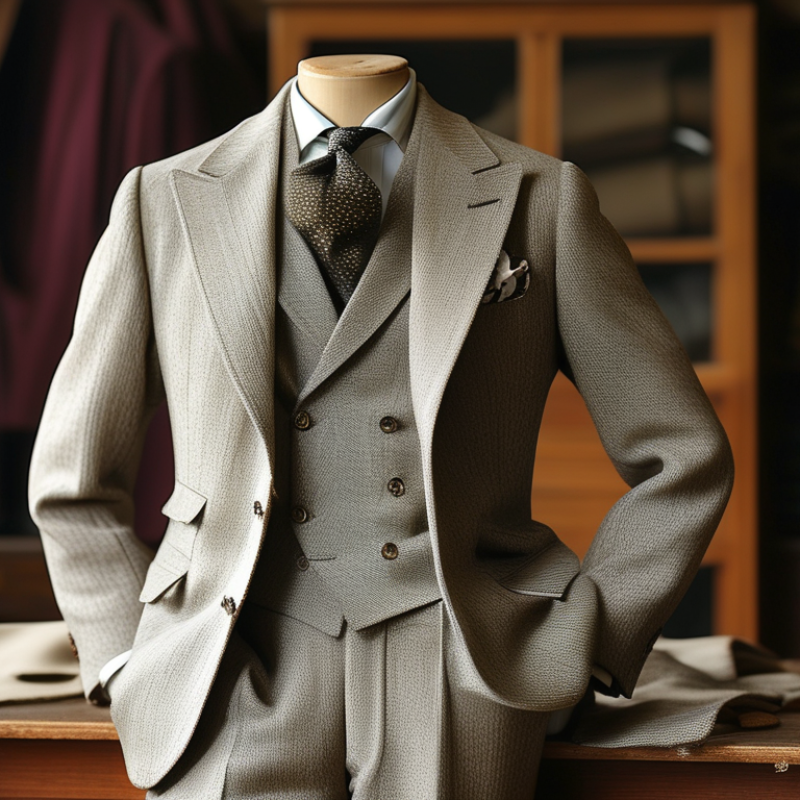
Characteristics of Premium Fabrics for Made-to-Measure Suits
When selecting fabrics for made-to-measure suits, premium options stand out. Wool, particularly merino, is widely regarded for its versatility. It drapes well and offers comfort across different seasons. High-quality wool is breathable and can wick moisture away, keeping the wearer dry.
Silk blends add a luxurious touch. They enhance the suit's shine and texture, making it visually striking. However, they are less durable than wool alone. They require careful maintenance to avoid damage. Linen, while stylish and perfect for warmer climates, wrinkles easily. This can be frustrating for those seeking a polished look.
Cotton is another option. It offers breathability and comfort but lacks the elegance of wool and silk. It can, at times, feel too casual for formal events. Each fabric has its pros and cons, which can complicate decisions. Ultimately, the choice depends on personal style and lifestyle needs. Balancing aesthetics and practicality is key in this process. Each selection reflects the wearer’s unique identity.
Popular Types of Premium Fabrics Used in Tailored Suits
When it comes to tailored suits, the choice of fabric is crucial. Several premium fabrics stand out in the world of bespoke tailoring. Wool is a classic choice. Its versatility allows for year-round wear. Super 100s to Super 150s wool offers a fine texture. This balance of luxury and durability appeals to many.
Silk adds a lavish touch. It drapes beautifully and can reflect light in stunning ways. However, it requires careful maintenance. Silk suits can be pricey and may not be ideal for everyday use. Linen, another premium fabric, is favored for its lightweight nature. It offers breathability, making it perfect for warm weather. Yet, it wrinkles easily. This can detract from a polished look.
Choosing the right fabric is about personal taste and lifestyle needs. Some may prioritize comfort over appearance, while others seek a striking silhouette. Exploring different materials can reveal unexpected preferences. Don't shy away from experimenting with blends. A combination of wool and silk or wool and linen can also yield unique textures and appearances. Each fabric has its strengths and weaknesses, making the decision process quite personal.
Popular Types of Premium Fabrics Used in Tailored Suits
Factors to Consider When Choosing Fabric for Custom Suits
When selecting fabric for made-to-measure suits, several factors demand attention. The texture, weight, and origin of the fabric contribute to the overall elegance and comfort. According to the Woolmark Company, fine wool is often preferred for its breathability and drape, making it an excellent choice for all seasons. Conversely, synthetic fabrics may offer cost efficiency but lack the same luxurious feel.
Color and pattern also play a crucial role. Monochrome fabrics provide versatility, while bold patterns can make a statement. Research indicates that 70% of clients lean toward classic colors for business attire. Understanding your lifestyle is essential. If your schedule involves long hours, consider fabric durability.
Tips for fabric selection: Test samples against your skin to assess comfort. Seek the opinion of a tailor to ensure optimal fit and drape. Be mindful that price should not be the sole determinant; invest in quality. Sometimes, cheaper options lead to undesirable outcomes and regrets. Quality fabrics will last longer and maintain their appearance, proving to be a wiser choice over time.
What is the Best Premium Fabric for Made-to-Measure Suits? - Factors to Consider When Choosing Fabric for Custom Suits
| Fabric Type |
Composition |
Best For |
Breathability |
Durability |
| Wool |
100% Wool |
Year-round use |
High |
High |
| Cotton |
100% Cotton |
Summer suits |
Very High |
Medium |
| Linen |
100% Linen |
Hot weather |
Very High |
Low |
| Silk |
100% Silk |
Formal events |
Medium |
Medium |
| Cashmere |
100% Cashmere |
Luxury suits |
Medium |
High |
| Blends |
Wool & Polyester |
Versatile use |
Medium |
High |
Care and Maintenance Tips for Premium Suit Fabrics
When it comes to premium suit fabrics, proper care and maintenance are crucial for longevity and appearance. Research indicates that wool suits, particularly from Merino sheep, are among the most durable options. However, they require specific cleaning techniques. Regular vacuuming can help remove dust particles, which can wear down fibers over time. A gentle brush can revive the fabric’s surface without causing damage.
Stains can be a real challenge. Experts suggest using a damp cloth immediately on spills. Avoid rubbing, which could spread the stain. Professional dry cleaning is recommended for deep cleans, but it should not be too frequent. Over-cleaning can diminish the fabric's luster. Nearly 30% of suit owners admit to neglecting this aspect, resulting in fabrics not performing to their full potential.
Storage plays a vital role as well. Hanging suits on wide, padded hangers prevents shoulder bumps. For wool suits, breathable garment bags are ideal. They allow the fabric to breathe while avoiding dust accumulation. Surprisingly, only 40% of suit wearers store their garments correctly, which can lead to premature aging. Opting for the right care routine enhances the suit's lifespan, showcasing its premium quality effectively.
Comparing Cost and Value of Different Premium Suit Fabrics
When choosing a fabric for a made-to-measure suit, cost and value are crucial. Different premium fabrics vary greatly in price. Wool, for instance, is often the go-to choice for its versatility and durability. A high-quality wool suit can last for years. However, its cost may not always justify the feel and look it provides.
Silk blends are luxurious but can be pricier. They offer a unique luster and drape, enhancing the suit's overall visual appeal. Yet, the care required for such fabrics can deter some buyers.
Another option is linen, which is excellent for warmer climates. While it’s generally more affordable, the tendency to wrinkle can be a drawback.
Ultimately, the right fabric depends on individual needs and lifestyle. It’s essential to weigh the benefits and drawbacks carefully. Understanding personal style, usage, and budget will lead to better choices. Investing in a premium fabric can elevate not just the suit but your confidence as well.
FAQS
: Consider texture, weight, and origin. These contribute to comfort and overall elegance.
Fine wool is breathable and drapes well, making it suitable for all seasons.
Synthetic fabrics are cost-effective, but they often lack a luxurious feel.
Classic colors are favored. Bold patterns can make a statement, but might not fit every occasion.
Test samples against your skin. This gives you a better idea of comfort levels.
No, investing in quality is crucial. Cheaper options may lead to regrets later on.
Linen wrinkles easily, which can impact appearance and maintenance.
A well-made wool suit can last for many years with proper care.
Silk blends require special care, which may deter some buyers despite their luxurious feel.
Weigh benefits and drawbacks based on personal style, usage, and budget. This can guide your choice.
Conclusion
When selecting a premium fabric for made-to-measure suits, it is essential to understand the characteristics that define high-quality materials, such as resilience, breathability, and comfort. Popular options often include wool, cashmere, and linen, each bringing unique qualities that cater to different preferences and climates.
When choosing the right fabric, consider factors such as weight, texture, and intended use, as these will influence the overall look and feel of the suit. Additionally, proper care and maintenance play a crucial role in preserving the integrity of premium fabrics. Lastly, comparing the cost and value of various premium suit fabrics helps ensure an investment that aligns with both budget and desired quality, ultimately enhancing the tailored suit experience.
