Best Premium Fabrics for Made-to-Measure Suits in 2026?
In 2026, the world of tailored clothing evolves dramatically, and the role of premium fabric for made-to-measure suits becomes increasingly central. As fashion trends shift, so does the quest for quality and individuality. Savvy consumers now seek materials that reflect their personal style while ensuring durability and comfort.
Understanding the variety of premium fabrics is key for designers and clients. Wool remains a classic choice, but new blends are gaining popularity. These innovative materials often combine the luxurious feel of cashmere with practical features like breathability and wrinkle resistance. Furthermore, sustainability is a vital aspect to consider. Fabrics made from recycled fibers or organic sources are not only environmentally friendly but also stylish.
However, the perfect fabric is subjective. What suits one person might not appeal to another. This highlights the importance of personal preferences and body types. Exploring various textures, weights, and patterns is part of the fun in creating a bespoke suit. While some options may seem extravagant, it's essential to balance aesthetics with functionality. The journey to find the ideal premium fabric for made-to-measure suits invites reflection on individual style and broader fashion narratives.
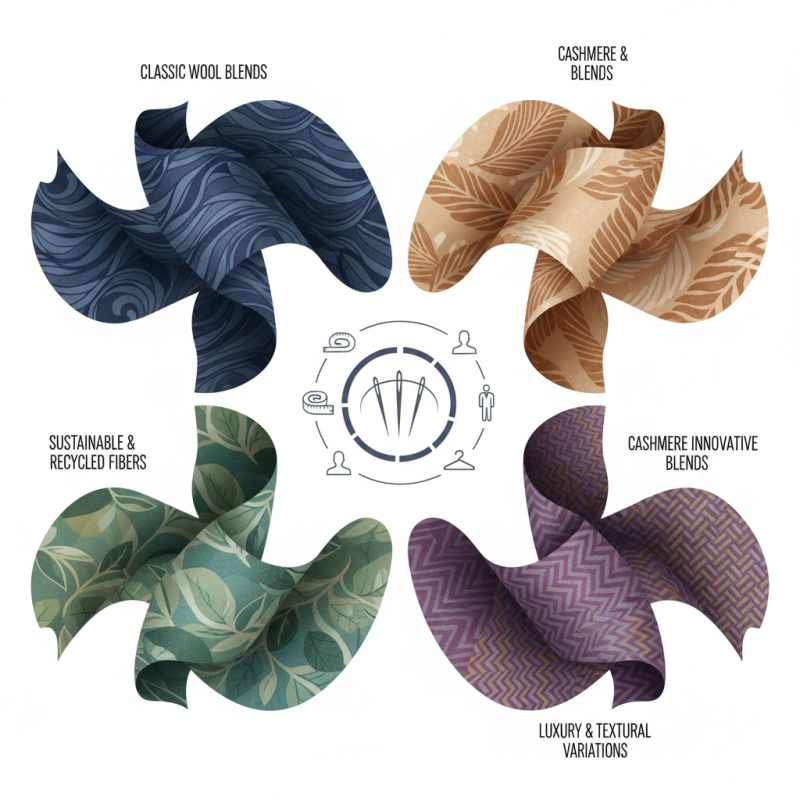
Top Qualities to Look for in Premium Suit Fabrics
When choosing premium fabrics for made-to-measure suits in 2026, several key qualities stand out. The texture and weight of the fabric play a vital role in comfort and drape. Wool remains a top choice, with reports showing it to account for over 70% of suit fabric sales, reflecting its versatility and breathability. A fine wool fabric should ideally have a thread count of 130 to 180, striking a balance between durability and softness.
Another important aspect is the weave. Fabrics like twill and herringbone provide a structured appearance while allowing for flexibility. These weaves enhance the suit's longevity, catering to both classic styles and modern trends. Additionally, seasonal considerations are crucial; lightweight materials are preferable during warmer months, while heavier options serve well in cooler climates. Recent studies indicate that suits made from high-quality natural fibers outlast synthetic blends by a ratio of 3:1 in terms of longevity.
Lastly, the finish and color options significantly influence perceived value. Rich textures and deep hues can elevate a suit's presence. However, the environmental impact of fabric sourcing comes under scrutiny. Emphasizing sustainable practices in fabric production is essential for ethical consumerism. Balancing aesthetics, durability, and responsibility presents an ongoing challenge in the luxury fashion sector.
Best Premium Fabrics for Made-to-Measure Suits in 2026
| Fabric Type | Composition | Weight (g/m²) | Durability | Breathability | Price Range ($/m) |
|---|---|---|---|---|---|
| Wool | 100% Wool | 250-300 | High | Good | 50-150 |
| Cashmere | 100% Cashmere | 230-280 | Medium | Excellent | 150-300 |
| Silk | 100% Silk | 160-220 | Low | High | 100-250 |
| Linen | 100% Linen | 170-220 | Medium | Excellent | 60-180 |
| Cotton | 100% Cotton | 180-250 | Medium | Good | 40-100 |
FAQS
: Consider comfort and breathability. Fabrics like wool adapt well to temperature changes.
Linen is lightweight and ideal for warmer climates. Ensure high quality to avoid excessive wrinkling.
Vibrant colors and bold patterns are trendy. Checkered designs add a unique flair to suits.
Test fabric samples against your skin. This will help understand its softness and comfort level.
Fabric choice is key. Wool and cashmere blends stand out for their quality and aesthetics.
Fabric weight affects the suit's drape and comfort. Lighter fabrics are often better for casual wear.
Some sustainable fabrics may not drape as perfectly as traditional ones. Consider the trade-offs carefully.
Swatches help understand the texture and color. This tangible aspect informs better fabric choices.
Conclusion
In 2026, selecting the right premium fabric for made-to-measure suits is crucial for achieving both style and durability. Key qualities to look for include breathability, texture, and resilience, which contribute to the overall fit and comfort of the suit. Current trends highlight a preference for natural fibers and innovative blends that offer sustainability without compromising luxury.
Popular fabrics like wool, linen, and cotton, along with emerging materials, are making waves in the bespoke tailoring market. Additionally, a growing emphasis on sourcing sustainable fabrics is increasingly influencing choices in fabric selection. A comparative analysis of cost and quality reveals that investing in premium fabric for made-to-measure suits can significantly enhance the garment's longevity and performance, making it a worthwhile consideration for discerning consumers.
