When considering how to buy made-to-order activewear for your business, it’s essential to understand the various factors at play. Made-to-order activewear offers unique customization options that can cater to the specific needs of your clientele. However, navigating this market requires careful thought. You want to ensure quality and reliability from suppliers.
Choosing the right manufacturer is critical. Evaluate their experience and expertise in the activewear field. Not all manufacturers have the same level of craftsmanship. Some may offer faster turnaround times but sacrifice quality. Always ask for samples before committing. This step can save you from costly mistakes later on.
Additionally, reflect on your brand’s ethos. Custom designs should align with your business values. It’s not just about aesthetics; it’s about creating a product that resonates with your audience. Engaging in this process thoughtfully can lead to better outcomes, fostering brand loyalty and customer satisfaction.
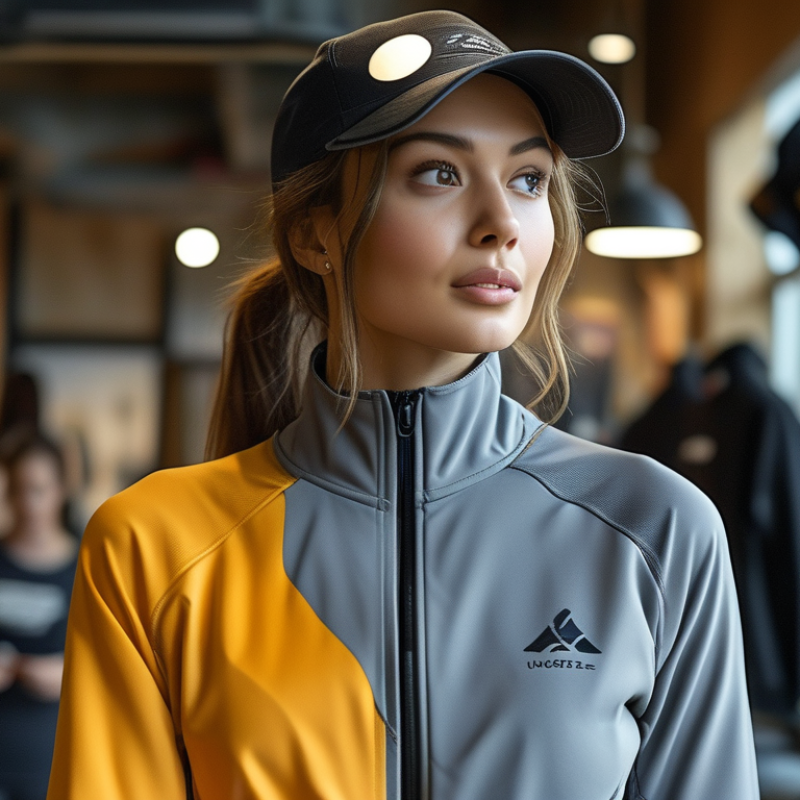
Made-to-order activewear is changing how businesses approach their clothing lines. Unlike mass-produced garments, made-to-order options allow companies to tailor products to their unique audience. This flexibility empowers brands to offer customized styles, sizes, and colors, catering to specific customer preferences. Every order feels personal, creating a stronger connection between the brand and the customer.
There are significant advantages to made-to-order activewear. First, businesses can reduce wasted inventory. This can lead to lower costs and improved sustainability. Additionally, companies can test new designs with minimal risk.
However, this model may require longer lead times. Waiting for production can be frustrating for customers eager for their purchases. Balancing speed and customization is crucial. Despite challenges, many businesses find the rewards outweigh the drawbacks. The right approach can lead to increased brand loyalty and a more engaged customer base.
When developing your activewear line, understanding your brand’s unique needs is crucial. Start by considering your target audience. Are they fitness enthusiasts or casual wearers? This distinction will guide fabric choice, design, and functionality requirements. For instance, performance materials might be a priority for serious athletes, while everyday comfort could be more important for casual users.
Exploring style preferences is equally important. Collect feedback from potential customers to identify their favorite colors, cuts, and patterns. Engaging with your audience can uncover unexpected insights. Perhaps they seek sustainable options or specific features like moisture-wicking technology. These details are essential for standing out in a competitive market.
However, don’t shy away from experimenting. Be prepared to iterate on your designs based on user feedback. Some ideas may not resonate, and that’s okay. Learning from these moments is part of the process. Keep refining your vision to create activewear that not only meets but exceeds expectations. Balancing practicality with innovation will fortify your brand’s identity and foster lasting customer loyalty.
| Dimension | Description | Importance Rating (1-5) |
|---|---|---|
| Fabric Type | Choosing moisture-wicking, breathable fabrics for comfort and performance. | 5 |
| Customization Options | Ability to choose colors, patterns, and designs that reflect brand identity. | 4 |
| Size Range | Offering a range of sizes to cater to all body types. | 5 |
| Durability | Selecting fabrics and constructions that withstand intense workouts. | 5 |
| Sustainability | Using eco-friendly materials and practices in production. | 4 |
| Cost Efficiency | Finding a balance between quality and price to ensure profitability. | 4 |
Choosing the right manufacturer for custom activewear production is crucial for success. With the global activewear market expected to reach $550 billion by 2028 (according to a report by Grand View Research), bridging the gap between demand and quality production is essential. Start by evaluating potential manufacturers on their experience in activewear. Look for those who have a proven track record, as this often correlates with quality and reliability.
Tip: Review case studies or testimonials from previous clients. This can provide insight into the manufacturer's capability. Pay close attention to their production timelines and quality assurance processes. A good manufacturer should have strict quality control measures in place.
When selecting a manufacturer, consider their material sourcing. Are they using sustainable fabrics? Recent trends indicate that 78% of consumers prefer eco-friendly options. This shift creates a need for transparency in the supply chain. Reflect on your business’s values and whether the manufacturer aligns with them.
Tip: Request samples before committing. This allows you to assess the fabric, stitching, and overall quality. Don't hesitate to ask about their customization options and minimum order quantities. Understand that not all manufacturers can meet high-demand needs, especially during peak seasons.
When selecting made-to-order activewear for your business, quality and materials are paramount. Start by examining fabric choices. Each type of fabric offers different benefits. For instance, moisture-wicking materials are great for workouts. Breathability can enhance comfort during intense activities. Look for a blend of durability and softness. This balance ensures longevity while providing comfort.
Next, consider the manufacturing process. High-quality activewear often involves advanced techniques. Stitching should be tight and even. Weak seams can lead to quick wear and tear. Reflect on the sourcing of materials as well. Eco-friendly fabrics are increasingly popular, appealing to conscious consumers. Is the production ethically managed? Reliability comes from choosing suppliers with good practices.
Lastly, it's essential to test samples. Wear the garments yourself or let your team try them. Observe how the clothing performs during various activities. Are there any flaws or discomforts? These insights are invaluable. It's okay if not every piece meets your expectations. Use feedback to refine future orders. Quality evaluation is an ongoing process that enhances your product offering.
Setting a budget for your custom activewear line is crucial. You need to analyze costs carefully. Start by estimating production expenses, including materials, labor, and shipping. Consider the minimum order quantities too. These factors influence your overall pricing strategy.
Finding the right price point can be challenging. It requires understanding your target market. Research competitors to see their pricing. Are they premium brands or budget-friendly? Balance your costs with what customers are willing to pay. A higher price can imply better quality, but it should not alienate potential buyers.
Also, be aware of potential pitfalls. Unexpected costs can arise, impacting your budget and pricing. Stay flexible and ready to adjust your strategies. Regularly review your finances to ensure you're on track. Remember, this process is iterative. You may need to reassess strategies as your business evolves.
: Think about whether they are fitness enthusiasts or casual wearers. This affects design and fabric choices.
Collect feedback on colors, cuts, and patterns. Engaging with your audience provides valuable insights.
Feedback allows for design iterations. Some initial ideas may not resonate; learning from them is important.
Evaluate their experience in activewear and look for proven reliability. Check their track record.
Review their case studies and testimonials. Pay attention to production timelines and quality assurance processes.
Yes, many consumers prefer eco-friendly options. Transparency in the supply chain is increasingly necessary.
Absolutely. Samples help evaluate fabric quality and stitching before making a commitment.
Consider minimum order quantities and whether they can meet high-demand needs during peak seasons.
Balance practicality with innovation. Focus on what exceeds customer expectations to enhance your brand identity.
Reflect on the feedback and adapt. Iteration is part of building a successful activewear line.
When considering how to buy made-to-order activewear for your business, it's essential to first understand the unique benefits it offers. Made-to-order activewear allows brands to cater specifically to their target audience's preferences, ensuring that the products are not only functional but also align with the brand's image. Identifying your brand's unique activewear needs will guide the design process and help you stand out in a competitive market.
Choosing the right manufacturer is crucial for the successful production of custom activewear. This involves evaluating the quality of materials used, which directly impacts the final product's appeal and durability. Additionally, setting a clear budget and developing pricing strategies will ensure that your made-to-order activewear line is profitable while still appealing to customers. Overall, a thoughtful approach to each of these elements can lead to a successful activewear business.
