As we look towards 2026, the custom shirts landscape is evolving. According to a recent market analysis, the global custom apparel industry is expected to grow by over 20% annually. This surge highlights the increasing demand for personalized clothing options. Custom shirts are at the forefront of this trend.
Consumers are seeking unique styles that reflect their individuality. Empirical data shows that 72% of people prefer personalized items over off-the-rack options. Custom shirts are versatile. They can be tailored for different occasions and audiences. This flexibility makes them quite appealing.
However, challenges remain. The market is saturated with options, making differentiation crucial. Brands must innovate and offer distinctive designs. Sustainable practices are also becoming a priority. It's vital to balance personalization with ethical production. As we move forward, the future of custom shirts will demand constant reflection and adjustment.
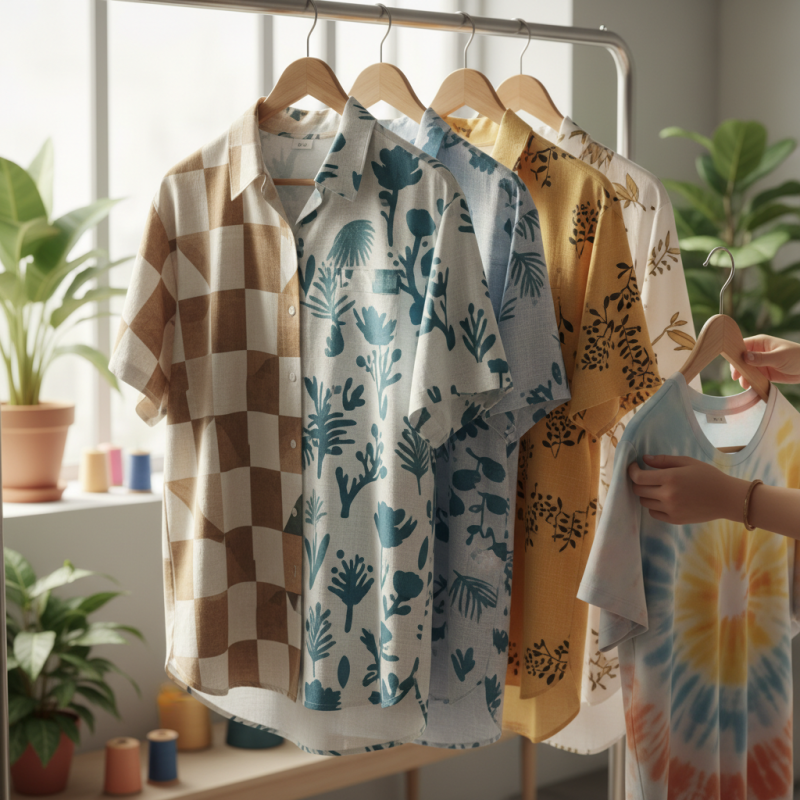
In 2026, custom shirt trends will be heavily influenced by emerging fabric technologies. Innovative fabrics are making waves in the realm of fashion. Think moisture-wicking materials that keep wearers dry and comfortable all day. Fabrics that change color or patterns with temperature are also gaining traction. This adds a unique touch to each garment, allowing for personal expression.
Sustainability is a priority. Recycled materials are becoming the norm. Consumers are looking for eco-friendly options. This shift in demand influences manufacturers to explore new processes. However, the journey towards sustainability sometimes presents challenges. Certain recycled materials may not perform as well. The durability issues raised need addressing.
Another emerging trend is smart fabrics with built-in technology. Some fabrics can monitor body temperature or adjust to the wearer's needs. These advancements promise comfort and convenience. But there are concerns about the longevity of these technologies. Can they withstand regular wear and tear? The path forward may require balance between innovation and practicality.
As we look towards 2026, custom shirts will increasingly reflect a shift towards sustainable fashion. Eco-friendly materials are leading this transformation. According to the Global Fashion Agenda's 2021 report, the demand for sustainable fashion increases by 15% each year. Consumers are more conscious than ever about their clothing choices. They seek shirts made from organic cotton, bamboo, or recycled polyester.
Brands are feeling this pressure. The Better Cotton Initiative states that using better cotton can reduce water usage by up to 90%. However, not all brands are adopting these practices. Many still rely on conventional materials, which are harmful to the environment. There’s a clear gap between desire and action. While sustainable options exist, they need broader implementation across the industry.
The journey towards sustainability isn't without challenges. Sourcing eco-friendly materials can be costly. Some manufacturers are hesitant to invest. Transparency in supply chains is another concern. Without it, consumers can’t make informed choices. As the demand for custom shirts grows, so does the responsibility to act sustainably.
As we approach 2026, custom shirt design is evolving rapidly. Innovative printing techniques are at the forefront of this transformation. Digital printing allows for intricate designs that were once impossible. This method enables vibrant colors and high precision. The diversity of patterns is truly remarkable. Customers can now express individuality like never before.
Another trend is the rise of eco-friendly printing options. Sustainable inks and organic materials are gaining traction. This shift not only reduces environmental impact but also meets consumer demand for responsible fashion. However, the balance between quality and sustainability poses challenges. Some eco-friendly inks may not produce the same vibrancy, leading to mixed results.
Moreover, 3D printing is making its way into custom shirt design. This technology enables unique textures and structural elements. While it opens new possibilities, it also raises questions about comfort and wearability. Not every design translates seamlessly from digital to physical. The conversation around these innovations is just beginning, and there’s much to learn as we move forward.
As we look ahead to 2026, custom shirts are evolving into fresh styles and silhouettes. Upsized fits are taking center stage. Loose, relaxed cuts offer comfort without sacrificing style. Think of wide sleeves and boxy shapes that allow for movement. These designs appeal to those who value both flair and ease in their wardrobe.
Additionally, layering is becoming a popular approach. Custom shirts with unique textures or patterns create visual interest. Consider lightweight fabrics that won’t overpower the layers beneath. However, there’s a balance to strike. Excessive layering can lead to an overwhelming look. Aim for a cohesive color palette to keep outfits from being chaotic.
In terms of patterns, bold prints are making a comeback. Geometric shapes and abstract designs are in demand. People want shirts that express their individuality. Yet, too many elements can clash. It’s important to choose quality materials that enhance these styles. Mindful decisions about the fit and fabric make a difference. Keep an eye on these trends but remember to adapt them to personal taste. After all, style should reflect who you are, imperfect yet unique.
| Style | Silhouette | Fabric Type | Color Trends | Popular Patterns |
|---|---|---|---|---|
| Casual Button-Up | Relaxed Fit | Cotton Blend | Pastel Shades | Floral |
| Oversized Shirt | Boxy Cut | Linen | Earth Tones | Geometric |
| Polo Shirt | Slim Fit | Performance Fabric | Bold Colors | Stripes |
| Classic Dress Shirt | Tailored Fit | Silk Blend | Monochrome | Checks |
| Camp Collar Shirt | Short Sleeve | Chambray | Vibrant Colors | Tropical Prints |
In 2026, consumers will embrace new personalization trends in custom shirts. They seek unique designs that express individual style. More options will emerge, allowing for vibrant colors, unique patterns, and tailored fits. People want to stand out and showcase their identity through clothing. This desire makes plain designs less appealing.
Customization won't stop at just colors and patterns. Details like embroidery, graphics, and fabric choices will gain popularity. For instance, consumers may choose their favorite quotes or symbols to personalize their shirts. Some may regret choosing a design that seemed trendy but feels outdated later. Reflecting on these choices will become essential for many.
As technology evolves, augmented reality tools could allow virtual try-ons for customers. However, this could create confusion. With countless customization options, decision fatigue may set in. Navigating through choices might lead to regret over missed designs. Balancing personalization with simplicity will be a significant challenge for consumers in 2026.
: Innovative fabrics like moisture-wicking materials and color-changing fabrics are trending. They enhance comfort and personal expression.
Sustainability is prioritized. Recycled materials are becoming common, but performance issues arise, creating challenges for manufacturers.
Smart fabrics can monitor body temperature and adjust to needs. Longevity concerns exist, as they must endure regular wear.
Upsized fits and layering are in vogue. Loose cuts with wide sleeves promote comfort while maintaining a stylish appearance.
Use lightweight fabrics with cohesive color palettes. Avoid excessive layering, as it can create a chaotic look.
Bold prints, like geometric shapes, are popular. However, too many elements can clash; quality materials enhance these designs.
Consumers will seek unique designs, colors, and tailored fits. Additional options like embroidery will allow deeper expression but may lead to regret.
They could enable virtual try-ons, but might also confuse customers with too many options, leading to decision fatigue.
Balancing personalization with simplicity is key. Navigating choices may lead to regrets over missed designs or trendy choices.
Style should reflect individuality. Embrace imperfections while ensuring choices enhance personal expression and comfort.
The article explores the exciting trends shaping the landscape of custom shirts in 2026. It highlights emerging fabric technologies that promise enhanced comfort and performance, while sustainable fashion takes center stage with eco-friendly materials becoming increasingly popular. Innovative printing techniques are revolutionizing how designs are applied, allowing for more creativity and personalization in custom shirts.
Additionally, the article discusses the popular styles and silhouettes expected to dominate the market, reflecting changing consumer preferences. Personalization trends are on the rise, offering consumers more customization options than ever before, enabling them to create unique garments that reflect their individual style. Overall, the future of custom shirts is gearing towards innovation, sustainability, and personalization.

Mibel Garment