What is the Next Custom Fashion Trend for 2026?

Time:2026-06-07 Author:Henry
0%

As we approach 2026, the custom fashion trends 2026 are becoming increasingly prominent. Recent reports from McKinsey & Company suggest that personalized fashion is set to grow, with 48% of consumers expressing a desire for unique clothing options. The rise of digital technology and AI-driven insights has empowered brands to cater to individual preferences in innovative ways.

Sustainability also plays a crucial role in shaping these trends. According to the Global Fashion Agenda, 66% of consumers now prefer brands that prioritize eco-friendly practices. This shift reflects a growing awareness of environmental issues and the impact of fast fashion. Brands that successfully combine customization with sustainability will likely lead the market in the coming years.

However, challenges persist. The balance between personalization and mass production remains a complex dilemma. Many brands struggle to provide an authentic custom experience while maintaining quality. As we venture into 2026, the fashion industry must navigate these hurdles to meet consumer expectations effectively. The evolution of custom fashion trends 2026 will require both creativity and conscientious decision-making.
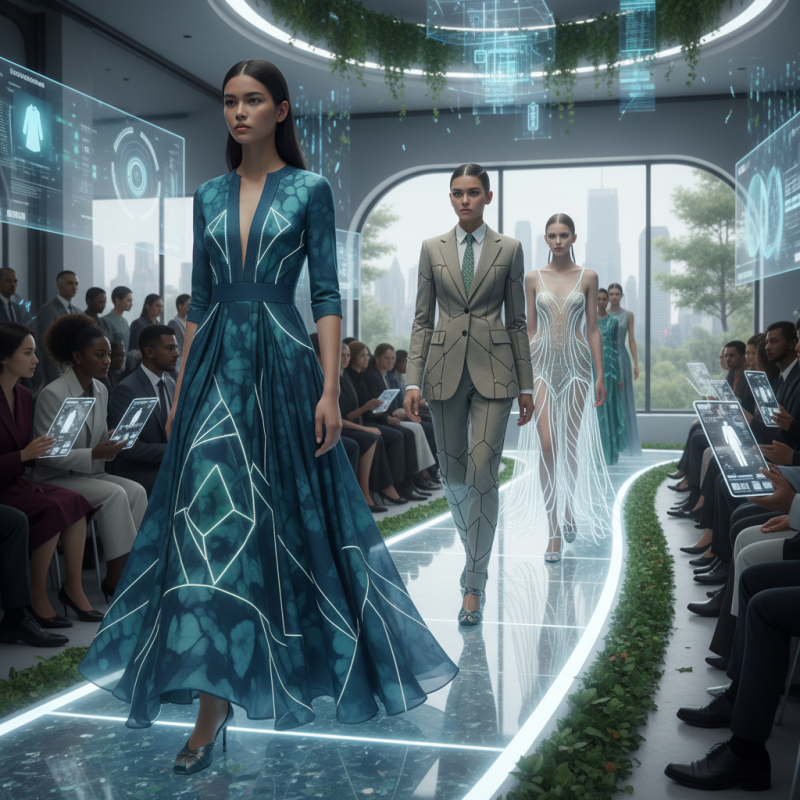
What is the Next Custom Fashion Trend for 2026?

The Rise of Sustainable Fabrics in Custom Fashion

As we look toward 2026, the landscape of custom fashion is shifting. A significant focus is on sustainable fabrics. These materials not only reduce waste but also lower carbon footprints. Today’s consumers are more eco-conscious. They demand choices that align with their values.

Tips: Consider using organic cotton or recycled polyester for your next project. Explore innovative textiles made from plants or waste materials.

Sustainable fashion is not just about materials; it’s about the entire process. Transparent supply chains are essential. Many brands are now sharing their production methods. This fosters trust with customers. However, achieving complete sustainability is challenging. Awareness and education are key.

Tips: Research the lifecycle impacts of different fabrics. Create prototypes to test both functionality and comfort. Don’t shy away from feedback; it drives improvement.

Designers face pressure to balance aesthetics and ethics. Customization allows for creativity, yet sustainability cannot be overlooked. An eco-friendly approach will be crucial in defining the next trend. The road to sustainability is not perfect, but it’s necessary for the future of fashion.

Personalization Technologies Shaping Future Trends

As we look ahead to 2026, personalization technologies will redefine fashion. Advanced algorithms will analyze user preferences and body types. Smart fabrics could adapt to individual styles in real-time. Imagine clothes that change color based on your mood or weather conditions. This innovation seems exciting yet raises questions about identity and consumerism.

Wearable tech will play a critical role, too. Devices will monitor our habits and suggest outfits daily. This reliance on gadgets might limit our creativity. People may find themselves wearing what is “recommended” rather than expressing who they are. The balance between personalization and authenticity will be crucial in shaping future wardrobes.

Manufacturers will utilize 3D printing and on-demand production to reduce waste. This approach is promising but introduces challenges. The manufacturing process can be complex and costly. Not every consumer can access unique items crafted just for them. It’s essential to ensure these advancements are inclusive, not exclusive. The path to custom fashion will undoubtedly be intricate and thought-provoking.

Cultural Influence on Upcoming Custom Fashion Styles

In 2026, custom fashion trends will increasingly reflect cultural influences. Designers will draw inspiration from diverse communities. This shift highlights the importance of cultural narratives in fashion. Fashion becomes a storytelling medium, connecting people through shared experiences. Art, music, and local traditions will shape styles.

Globalization fosters exchanges among cultures. Designers examine traditional motifs and reimagine them for modern wear. Bold colors and unique patterns will emerge. However, this trend raises questions about cultural appropriation. Understanding the source of inspiration is crucial. Authenticity matters when borrowing elements from various cultures.

The role of technology will also be significant. Advances in fabric printing will enable customization like never before. Individuals can express their identity through personalized designs. Still, the challenge lies in maintaining the balance between uniqueness and ethical considerations. As fashion becomes a canvas for cultural dialogue, reflection on these aspects is necessary.

The Role of Digital Twins in Custom Fashion Design

The advent of digital twins is revolutionizing the custom fashion industry. These virtual replicas allow designers to experiment and create innovative styles without the constraints of physical materials. By using 3D modeling, designers can visualize garments on diverse body types before actual production begins. This not only enhances creativity but also minimizes waste.

Tips: Always ask for feedback during the design phase. Collaboration can lead to surprising results. Additionally, consider the materials digitally. This can influence design elements and sustainability goals.

Designers are now tasked with understanding how digital twins impact their workflow. Implementing this technology isn’t without challenges. Learning curves can be steep, and not all software is user-friendly. Furthermore, ensuring digital representations accurately reflect fabric texture and movement requires skill and experience.

Tips: Invest time in quality training. Seek resources or workshops that focus on digital tools. Experiment with small projects to build confidence before diving into larger designs.

What is the Next Custom Fashion Trend for 2026? - The Role of Digital Twins in Custom Fashion Design

Trend Description Impact of Digital Twins Projected Popularity
Sustainable Materials Use of recycled and biodegradable fabrics in custom pieces. Digital twins allow for simulations of material longevity and environmental impact. High
Smart Clothing Integration of technology into fashion, such as wearables. Digital twins help in designing interactive features tailored to users. Increasing
Personalized Fit Custom tailoring based on individual body measurements collected via 3D scans. Digital twins create precise models for improved fit and comfort. Very High
Augmented Reality Shopping Using AR to visualize clothing on oneself before purchase. Digital twins can generate real-time avatars for virtual try-ons. High
Cultural Representation Incorporating diverse cultural designs and motifs into fashion. Digital twins can simulate and analyze cultural design impact and acceptance. Moderate

Emerging Market Demands for Inclusive Fashion Choices

The fashion industry is witnessing a significant shift towards inclusivity as consumers demand more personalized options. Emerging market research shows that 70% of shoppers prefer brands that offer diverse sizing and adaptive clothing. As we approach 2026, understanding these trends becomes crucial for brands aiming to stay relevant.

Inclusivity not only embraces various body shapes but also caters to cultural and ethical preferences. Reports indicate that companies focusing on sustainable practices see a 30% increase in customer loyalty. This highlights the importance of aligning fashion with broader social values. Brands must reflect on their practices and ensure authenticity to meet these evolving demands.

Tip: Use customer feedback as a tool to identify gaps in your product offerings. Listen actively to what your audience desires. Encourage openness to adapt quickly to changing preferences. Another tip is to engage with local communities to understand their unique fashion needs. This approach can help build trust and create a loyal customer base.

The path to inclusive fashion is complex. Brands need to recognize that one-size-fits-all no longer applies. Flexibility and innovation in design and marketing will be critical to shaping a future where everyone feels represented.

FAQS

: What are personalization technologies in fashion?

: These technologies analyze user preferences and body types to tailor clothing recommendations.

How will clothes adapt to individual styles?

Smart fabrics may change color based on mood or weather. This innovation is exciting and thought-provoking.

What role will wearable tech play in fashion?

Wearable devices will suggest daily outfits but may limit creativity and personal expression.

How are cultural influences shaping fashion?

Designers will draw from diverse communities, emphasizing storytelling through shared cultural experiences.

What challenges arise with custom fashion trends?

There are concerns about cultural appropriation and the need for authenticity in design choices.

Why is inclusivity important in fashion?

Consumers increasingly demand diverse sizing and adaptive clothing, with 70% preferring brands that embrace inclusivity.

How does sustainability impact fashion choices?

Brands focusing on sustainable practices benefit from increased customer loyalty, reflecting broader social values.

What is the importance of customer feedback in fashion?

Actively listening to customers helps identify gaps and adapt offerings to better meet their needs.

How should brands approach the future of fashion?

Flexibility and innovation are crucial as one-size-fits-all models no longer apply to diverse consumers.

What role does technology play in customization?

Advances in fabric printing enable more personalization, but ethical considerations must be balanced with uniqueness.

Conclusion

The article explores the anticipated "Custom fashion trends 2026," highlighting several key areas shaping the future of fashion. A significant focus is placed on the rise of sustainable fabrics, reflecting a growing consumer demand for eco-friendly and ethical choices in custom apparel. Additionally, advancements in personalization technologies are enabling a more tailored shopping experience, allowing consumers to express their individuality through unique designs.

Cultural influences are also examined, as diverse backgrounds and traditions continue to inspire innovative styles in custom fashion. The integration of digital twins in the design process presents exciting possibilities, allowing designers to visualize and refine their creations virtually. Finally, the emerging market for inclusive fashion choices signals a shift towards greater diversity, ensuring that custom fashion is accessible and representative of all individuals. Together, these trends indicate a dynamic evolution in the landscape of custom fashion by 2026.

Henry

Henry

Henry is a dedicated marketing professional with a profound expertise in the company's offerings. With years of experience in the industry, he possesses an impressive understanding of the market dynamics and consumer behaviors that drive success. Henry is committed to sharing his insights through......