In today's fashion landscape, individuality reigns supreme. People are seeking unique expressions of their identity. This trend raises a compelling question: why do people buy custom fashion?
Custom fashion offers an alternative to mass-produced clothing. It allows individuals to create pieces that reflect their personal style. Many consumers value the emotional connection and storytelling behind custom garments. However, there is also a level of uncertainty. With so many options available, how do you choose wisely?
Quality and craftsmanship often sway buyers. Custom pieces can showcase superior materials and tailored fits. Yet not every custom piece guarantees satisfaction. The risk of mismatched expectations is real. Therefore, understanding the nuances of custom fashion is crucial for informed decision-making. As trends evolve, the motivations behind custom purchases may shift. Exploring these motivations reveals much about our society's values today.
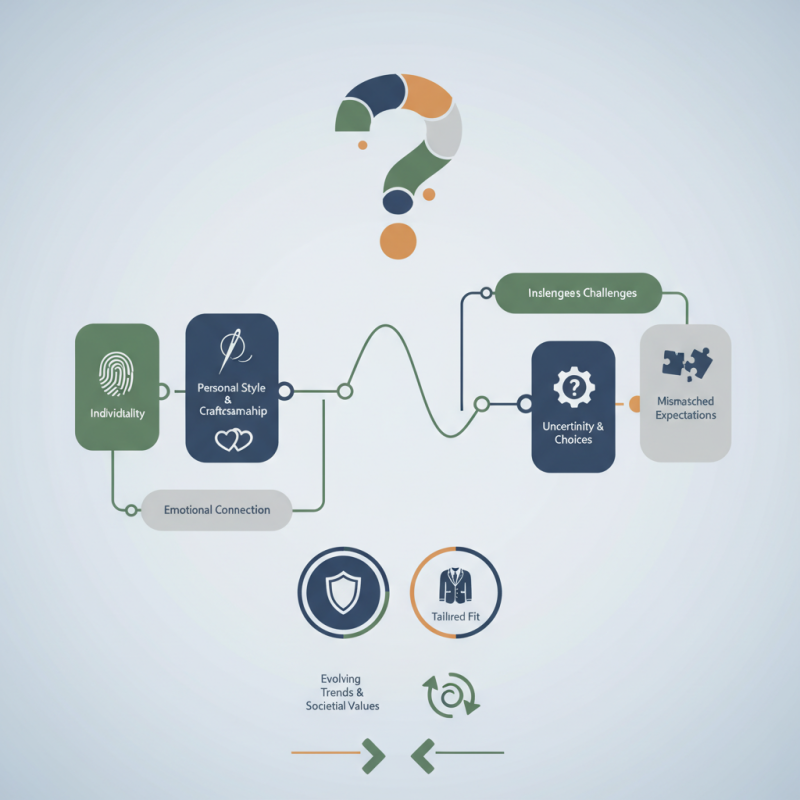
The 21st century has ushered in a new era for fashion. Custom fashion is gaining momentum as consumers seek unique expressions of their identity. This trend reflects a deeper desire for authenticity and individuality. People want more than just clothes; they want pieces that resonate with their personal story.
Customization allows for creativity. Many individuals enjoy mixing fabrics, colors, and styles to create something entirely their own. This process often fosters a stronger connection to the garment. Yet, the ease of ordering customized pieces online can sometimes lead to impulse buying. It is crucial to take a moment and reflect on your choices.
When considering custom fashion, keep a few tips in mind. First, set a budget to avoid overspending on unique pieces. Second, think about your wardrobe. Ensure that the custom item will complement what you already own. Lastly, don’t rush the process. Take the time to brainstorm and design thoughtfully. This can lead to truly rewarding pieces that reflect your personal style and values.
Today's consumers favor custom fashion due to various influences. Personal expression stands out as a primary factor. Shoppers want clothing that reflects their identity. They crave styles that tell their stories, making personalization vital. Custom clothing allows individuals to break away from standardization. Wild patterns or unique fits can spark a conversation. It's about standing out and resonating with peers.
Another key factor is emotional connection. People often form bonds with their clothing. When it features unique elements, it becomes more than just an item. It evolves into a memory or a cherished piece of art. This emotional aspect drives consumers toward custom fashion choices.
Tips: Consider your favorite colors and patterns when selecting options. Your preferences can shape your custom choices. Don't rush this process. Personalization should feel right, so take your time. Test styles that seem different. You might discover a new aspect of yourself through your clothing.
Social media has transformed the landscape of custom fashion. Platforms like Instagram and TikTok have become essential for sharing unique styles. According to a 2022 report by Statista, over 70% of young consumers follow fashion influencers on social media. This engagement drives their desire for personalized fashion choices.
The visual nature of these platforms encourages creativity. Users showcase their custom designs, inspiring followers to seek similar items. However, this trend comes with challenges. Many individuals feel pressured to conform to the latest styles. The struggle lies in balancing individuality with social expectations.
Data from McKinsey shows that 60% of consumers feel overwhelmed by the sheer volume of options available online. They often turn to social media for guidance. This reliance highlights a tension: the quest for uniqueness against the backdrop of social validation. Navigating this space requires thoughtful consideration and self-reflection.
Custom fashion has become increasingly popular in today's economy. This trend reflects a significant shift in the apparel industry. Consumers are seeking unique, personalized clothing that speaks to their individuality. As a result, traditional mass production is challenged. The custom fashion market creates new economic opportunities and supports local artisans.
The rise of custom fashion allows small businesses to thrive. These businesses engage with customers directly, fostering a sense of community. However, this shift may also lead to increased competition. Established brands must adapt, as consumer preferences evolve rapidly. Customers now prioritize quality and craftsmanship over quantity and speed.
**Tips for navigating custom fashion:**
- Research local artisans and designers. Support smaller brands to contribute to the economy.
- Consider your sizing. Custom pieces can help prevent returns due to sizing issues.
- Embrace the imperfections in handmade items. They often reflect the artisan's skill and character.
This transition represents both a challenge and an opportunity for the fashion industry. Embracing custom fashion means rethinking consumption habits. As more people adopt this model, its economic impact will become even more pronounced. Retailers must remain innovative and responsive to these changes.
The bar chart below illustrates the various reasons why consumers are increasingly opting for custom fashion, along with its economic impact on the apparel industry. The data highlights key motivations such as uniqueness, fit, and sustainability, showing a growing trend towards personalized clothing solutions.
Custom fashion is increasingly popular, driven by concerns over sustainability and ethical practices. According to a 2020 McKinsey report, 66% of global consumers consider sustainability when making purchases. This number is rising, especially among younger generations. They want clothing that reflects their values and minimizes harm to the environment.
Many custom fashion brands focus on sourcing sustainable materials. Organic fabrics, recycled textiles, and eco-friendly dyes are common choices. This practice reduces waste and pollution compared to traditional fashion methods. However, some brands struggle to maintain transparency in their supply chains. Consumers often demand information on where and how products are made.
The shift to custom fashion also raises questions about ethics. Labor practices in garment production can be questionable. A report by the Ethical Fashion Initiative states that about 93% of fashion workers earn less than living wages. Many brands strive for fair labor practices, but not all succeed. This inconsistency can erode consumer trust, highlighting the need for better regulations in the industry. The journey towards sustainable custom fashion is underway, but challenges remain.
: Custom fashion refers to personalized clothing that reflects individual identity and unique expression.
It mirrors a desire for authenticity. People seek clothes that resonate with their personal stories and values.
Individuals mix fabrics, colors, and styles to create personalized pieces. This creative process deepens their connection to each garment.
Set a budget to avoid overspending. Think about how the item complements your existing wardrobe.
Yes, platforms like Instagram and TikTok inspire users to explore unique styles and showcase their custom designs.
Many feel pressured to conform to trends while seeking uniqueness. It’s a balance between individual style and social expectations.
With so many choices available, consumers often feel overwhelmed. They look to social media for guidance in their selections.
Taking time to brainstorm leads to more meaningful pieces that truly reflect personal style and values.
Yes, the ease of ordering online can lead to impulsive purchases. It's essential to reflect before making choices.
Yes, seeking unique pieces while wanting social validation can create tension and anxiety for some individuals.
In recent years, custom fashion has become a significant trend in the 21st century, attracting consumers seeking unique and personalized clothing options. The reasons why people buy custom fashion are multifaceted, including a desire for self-expression and individuality in their wardrobes. Factors such as changing consumer preferences toward tailored experiences and the influence of social media platforms highlight the importance of personalized styles in modern fashion choices.
Additionally, the economic impact of custom fashion is noteworthy, as it reshapes the apparel industry by driving innovation and competition among brands. At the same time, sustainability and ethical considerations are increasingly guiding consumers’ preferences, with many opting for custom pieces that support responsible production practices. Overall, the rise of custom fashion reflects a profound shift in how consumers engage with clothing, prioritizing personalization and ethical considerations alongside style.

Mibel Garment