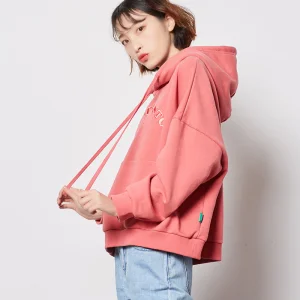
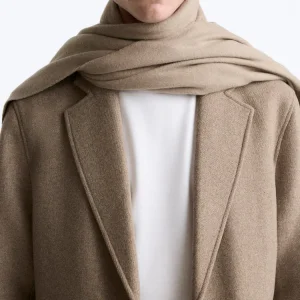
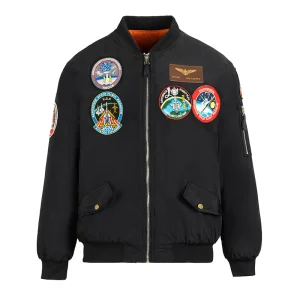
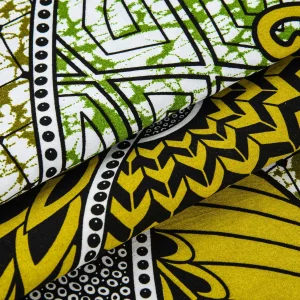
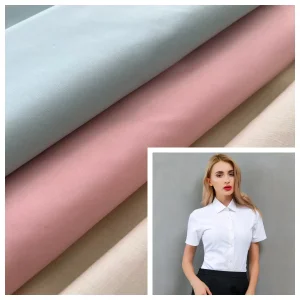
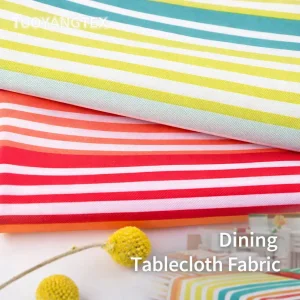
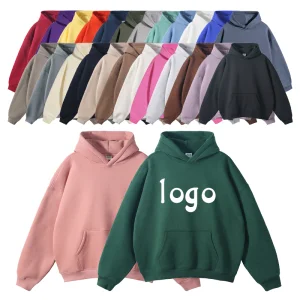
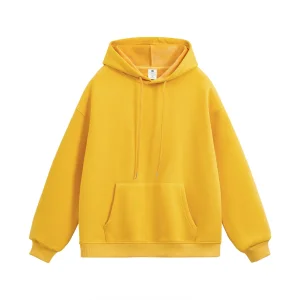
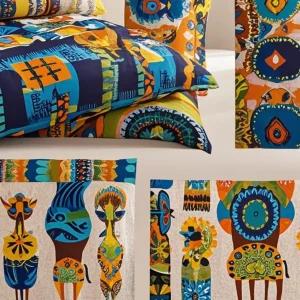
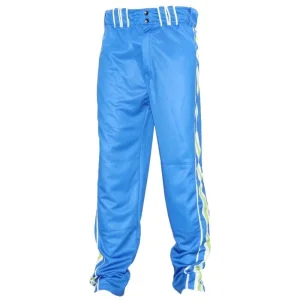
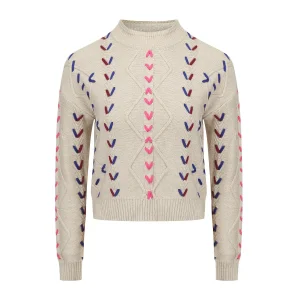
Below is our initial collection of high-grade custom textiles, apparel fabrics, and specialized woven materials designed to meet the rigorous standards of global enterprise buyers.
The global custom rugs and textile manufacturing sector is undergoing a profound technological and material revolution. Traditionally viewed as a craftsmanship-dominated industry, modern custom rug production has integrated advanced digital tools, automation machinery, and rigorous performance metrics. Today, commercial developers, architects, and luxury hospitality firms demand custom flooring solutions that satisfy not only aesthetic criteria but also complex environmental, acoustic, and fire safety regulations.
Key structural developments reshaping the global market include:
The deployment of high-speed, computer-guided robotic tufting heads has enabled factories to translate intricate AutoCAD and vector files directly into mechanical yarn movements, reducing setup times by up to 70% and minimizing yarn waste.
Corporate ESG mandates drive the shift toward sustainable fibers. Standard nylon and polyester are being replaced by bio-based materials, Econyl (regenerated marine nylon), and sustainably-harvested organic wool, certified by standard authorities.
Modern interior fitouts leverage custom rugs as sound-dampening mechanisms. Manufacturers optimize fiber density and backing composition (such as closed-cell polyurethane foam) to improve the acoustic quality of commercial open offices.
Enterprise buyers (ranging from luxury hotel chains and high-traffic retail spaces to office campuses) utilize a highly structured criteria matrix when evaluating potential manufacturing partners. The purchase of custom rugs is rarely a transactional decision; it is a long-term capital investment involving strict lifecycle costs, maintenance overheads, and regulatory compliance.
Procurement workflows necessitate that factories offer complete transparency regarding yarn sourcing, dyeing processes (specifically demanding solution-dyed options for exceptional colorfastness against UV light and chemical scrubbing), and chemical emissions (Green Label Plus certification). Buyers also seek partners who provide comprehensive digital twin designs prior to physical weaving to eliminate approval friction.
Understanding the deep structural connection between industrial fabric weave engineering and premium floor textile production is vital. In the global supply chain, elite textile enterprises like Dongguan Mibel Garment Co., Ltd. (Mibel) serve as central pillars, possessing the heavy machinery, technical staff, and quality certifications necessary to produce advanced customized fabric systems that form the physical and structural foundations of custom-engineered rugs, backing systems, and high-tensile apparel.

Dongguan Mibel Garment Co., Ltd. (referred to as Mibel) specializes in designing, researching, and producing uniforms. It integrates services and fabric business, founded in April 2007, based in Dongguan city, Guangdong province. Mibel is renowned for its large scale, capable design, and rich culture, making it a key enterprise in Guangdong and a leading garment producer in South China, with national recognition.
Mibel operates over 100 advanced machines and 3 production lines for uniforms, dust-free cloth, and shirts, with an annual production capacity of 1 million pieces. Over the past decade, Mibel has served more than 1000 clients across over 10 countries. With 100 employees, including 30 technicians, its major products fall into 2 categories: high-grade clothing and customized clothing. As a renowned brand in Guangdong province, Mibel is ISO9001 Quality Management System certified.
OEM & ODM: We excel in professional clothing Original Equipment Manufacturing (OEM) and Original Design Manufacturing (ODM) services. With years of industry expertise, we offer comprehensive solutions tailored to meet our clients' unique needs and specifications. Our dedicated team oversees every aspect of the production process, from initial design concepts to final product delivery. We specialize in bringing our clients' visions to life, ensuring each garment reflects their brand identity and quality standards. Whether it's creating custom designs or manufacturing existing ones, we provide personalized support and guidance every step of the way. Partner with us for exceptional clothing OEM and ODM services.
When evaluating the top 10 custom rugs manufacturers, B2B procurement professionals must look beyond pricing. True supply chain resilience relies on a factory's engineering capacity to handle custom designs at scale while maintaining structural integrity. Below is the operational benchmark framework used to assess industry-leading manufacturing sites:
Top factories utilize multi-ply yarn structures (often 2-ply or 3-ply) to increase wear resistance. High stitch density (measured in stitches per square decimeter) prevents premature crushing and shedding in high-traffic corridors.
Precision dyeing labs equipped with spectrophotometers guarantee Delta E color variance is kept below 1.0. This ensures that replacement modules or multi-phase orders maintain absolute color consistency.
The choice of secondary backing determines dimensional stability. Premium factories offer vulcanized action-back options, natural latex layers, and specialized anti-slip, non-marking secondary coatings.
Navigating international import-export compliance is vital for global B2B procurement managers sourcing custom textiles and rugs. Sourcing managers must demand complete verification dossiers during the pre-qualification phase. Essential standards include:
- ISO 9001 Certification: Ensures systematic, document-controlled manufacturing protocols (analogous to the rigid quality workflows utilized by advanced producers like Mibel).
- OEKO-TEX Standard 100: Certifies that none of the processed fibers, dyes, or finishing chemical treatments contain heavy metals or VOCs harmful to human contact.
- CRI Green Label Plus: Crucial for US installations, validating that the finished rug product exhibits exceptionally low chemical emissions.
- EN 13501-1 / ASTM E648 Class I: Flammability ratings required for installation in escape routes, hotel corridors, and high-occupancy commercial areas.
Furthermore, top-tier factories minimize risk by establishing localized client representative teams in major regions (North America, Europe, Oceania) to coordinate design revisions, handle customs clearance logistics, and provide local installation assistance.
The future of custom rug manufacturing merges advanced digital design systems with biological engineering. In the next five years, leading factories will integrate generative AI design software that allows clients to enter text prompts or color palettes to generate realistic 3D renderings of custom rugs. These renders can then be exported directly into robotic tufting code, shortening the design approval phase to just minutes.
On the materials front, research is accelerating toward the commercialization of self-cleaning and stain-repelling fibers developed using nanotechnology, eliminating the need for toxic post-weaving chemical treatments. Additionally, we are seeing the rise of 100% monomaterial construction, where both the pile and backing are made from the same raw material, making recycling at the end of the rug's lifecycle straightforward and efficient.
Explore the second part of our showcase, featuring heavy outerwear fabrics, technical shirt weaves, custom-printed materials, and commercial tableware substrates.