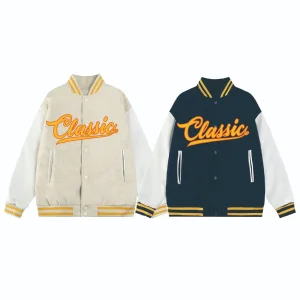
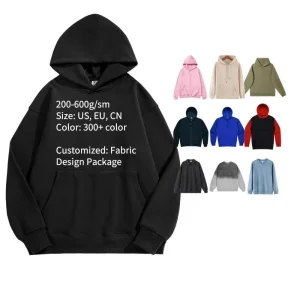
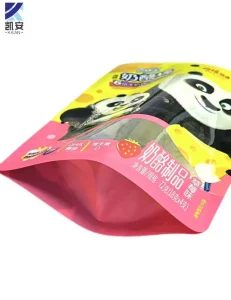
The global demand for custom aprons—spanning the culinary, industrial, and retail sectors—has shifted from simple protective gear to vital branding assets. In the current market, Chinese manufacturers, particularly those in the Pearl River Delta, are leading this transformation. By leveraging advanced textile engineering and digital printing technology, factories are no longer just sewing fabric; they are crafting corporate identities.
Industry trends indicate a significant pivot towards sustainability, with a rise in recycled polyester blends and organic cotton, alongside "smart" functional features like water-repellent coatings and ergonomic stitching for hospitality professionals. Customization is now digitized, allowing for low-MOQ (Minimum Order Quantity) runs with high-fidelity logo integration, a capability where top China-based manufacturers excel.
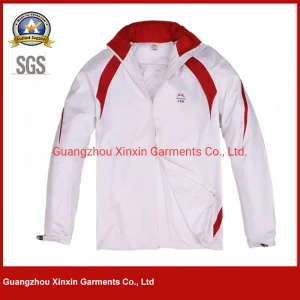
Founded in April 2007, Dongguan Mibel Garment Co., Ltd. exemplifies the industrial maturity of the Guangdong garment sector. Mibel isn't merely a factory; it is a full-service ecosystem specializing in the research, design, and production of high-grade uniforms and custom apparel.
Core Capabilities:
Our OEM (Original Equipment Manufacturing) and ODM (Original Design Manufacturing) services are built on years of industry expertise. We understand that an apron is more than a tool—it's a canvas for brand visibility.
Our Workflow:
We excel in bringing our clients' visions to life, ensuring each garment reflects their brand identity and quality standards. Whether it's creating custom designs or manufacturing existing ones, we provide personalized support every step of the way.
Dongguan provides a complete supply chain ecosystem—from yarn spinning and fabric weaving to specialized embellishment techniques. This proximity allows for faster turnaround times and superior quality control compared to fragmented manufacturing markets.
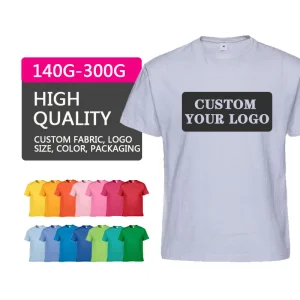
We utilize commercial-grade, wash-resistant techniques including high-density embroidery, DTF (Direct to Film) printing, and industrial silkscreen methods, ensuring logos remain sharp after repeated industrial washing cycles.