High-Grade Custom Hardware & Integrated Products
Explore our elite inventory of precision-manufactured custom electronics platforms, active smart clothing systems, and structural OEM fabrics.
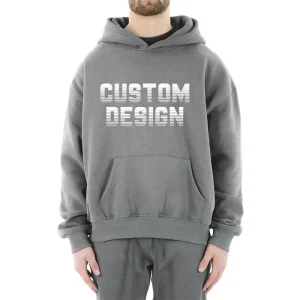
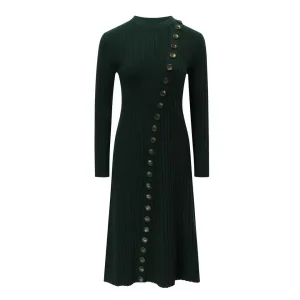

Global Commercial & Industrial Status of Custom Electronics
Exploring the convergence of micro-electronics assembly, flexible circuit engineering, and modern smart textiles.
The global demand for custom electronics manufacturing has entered a phase of exponential growth. Fueled by advancements in the Internet of Things (IoT), medical telemetry, specialized industrial wearables, and consumer-centric smart clothing, factories are transitioning from basic mechanical assembly to integrated electronic-physical design houses. Modern enterprise procurement teams no longer seek simple component assemblers; instead, they require end-to-end engineering partners capable of managing rigid-flex PCB design, thermal regulation systems, sensors, and protective micro-packaging within soft-goods and complex enclosures.
Within this ecosystem, the integration of flexible electronics and micro-controllers into everyday consumer materials has redefined the parameters of product development. Companies are embedding bio-sensors into compression gear, heating pathways into heavy-duty outdoor trousers, and haptic feedback loops into high-performance protective wear. As custom electronics become increasingly modular, manufacturers are upgrading structural testing layouts to handle dynamic stress factors, moisture resistance (specifically achieving IP67 and IP68 dust-and-waterproof ratings), and chemical durability tests.
Flexible PCB (FPC) Integration
We utilize ultra-thin flexible printed circuits designed to conform to complex geometries, ensuring reliability in dynamic applications like sportswear and tactical gear.
Advanced Thermal Regulation
Engineering micro-heating elements and cooling pathways with built-in thermal fuses and smart controllers to prevent overheating in outdoor softshell garments.
Bio-Telemetry & Sensor Hubs
Integrating heart rate monitors, galvanic skin response modules, and motion tracking sensors directly into high-grade compression fabrics.
The Dongguan Supply Chain & Production Advantage
Dongguan, located in the heart of China's Pearl River Delta, is universally recognized as the epicenter of global hardware design and electronics manufacturing. By operating within this geographical ecosystem, Dongguan Mibel Garment Co., Ltd. (Mibel) achieves an unparalleled synthesis of rapid prototyping, component sourcing, and high-efficiency assembly. The local proximity to advanced semiconductor providers, SMT (Surface Mount Technology) facilities, and premium raw materials enables Mibel to transition new concepts from the design phase to physical production at speeds impossible elsewhere in the world.
Mibel specializes in designing, researching, and producing uniform and custom-engineered functional clothing systems. Founded in April 2007, our company integrates fabric development with precision hardware housing assembly. With over a decade of dedication, Mibel operates over 100 advanced machines and 3 high-speed production lines, ensuring an annual capacity of over 1 million integrated garments. Our technical division includes 30 expert technicians and design engineers who manage the seamless embedding of micro-controllers, batteries, and custom heating coils within heavy-duty and corporate sportswear.
Our ISO9001 certified quality management protocols govern every step of our manufacturing workflow, matching strict global corporate standards. From initial solder inspection to water-immersion reliability testing, Mibel offers the ultimate assurance of safety and performance for international markets.

Mibel Electronics & Smart Textile Capability Metrics
Decade-long leadership in precision custom product lines and global supply fulfillment.
OEM & ODM Custom Electronics Integration Services
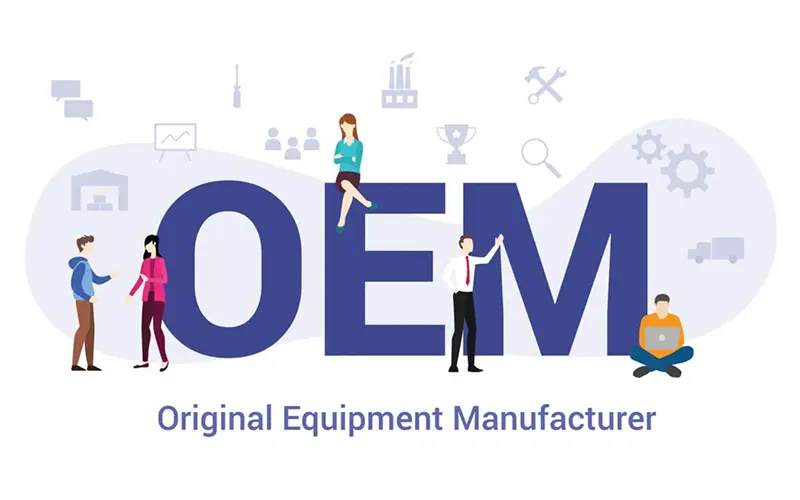
We excel in professional clothing Original Equipment Manufacturing (OEM) and Original Design Manufacturing (ODM) services. With years of industry expertise, we offer comprehensive solutions tailored to meet our clients' unique needs and specifications. Our dedicated team oversees every aspect of the production process, from initial design concepts to final product delivery. We specialize in bringing our clients' visions to life, ensuring each garment reflects their brand identity and quality standards. Whether it's creating custom designs or manufacturing existing ones, we provide personalized support and guidance every step of the way. Partner with us for exceptional clothing OEM and ODM services.
Our OEM/ODM capability goes beyond traditional clothing assemblies. We support global technology integrators by creating high-performance wear built to house custom electronics securely. This includes routing discrete cable channels, integrating low-profile TPU battery pockets, housing Bluetooth antennas within collar zones, and designing water-resistant control ports. This unique cross-functional capability bridges the gap between hardware manufacturers and textile factories, resulting in products that excel in ergonomics, durabilty, and aesthetic refinement.
Localized Application Scenarios & Global Sourcing Demands
Targeting specialized industries, defense, sports tech, and heavy industrial environments.
Industrial Cold-Chain Workwear
For operators working in sub-zero food warehouses or extreme polar environments, Mibel integrates intelligent carbon-fiber heating arrays directly into custom jackets and pants. This prevents hypothermia and boosts worker productivity.
Military & Defense Training Gear
By incorporating biometric sensors and impact registers inside heavy-duty uniform fabrics, tactical training units can monitor core vitals, stress responses, and environmental fatigue patterns in real-time.
Elite Athletics & Recovery
Compressive base layers featuring active neuromuscular electrical stimulation (NMES) nodes and targeted thermal applications. Designed for rapid muscle warm-up and post-workout lactic acid mitigation.
Sourcing Requirements of Global Procurement Officers
When sourcing custom-engineered wearable electronics, international procurement departments focus on minimizing long-term component failure rates. Ensuring electronic systems remain intact throughout the garment’s lifecycle is paramount. Standard requirements include:
- Washability Endurance: The integrated electronic modules must survive 50+ domestic machine wash cycles without losing circuit continuity.
- Regulatory Compliance: Sourced products must adhere to global safety directives, including CE, RoHS, FCC, and Reach certifications.
- Supply Chain Transparency: Clear component traceability for lithium-polymer batteries, charging controller chips, and conductive wiring.
Future Trends in Custom Wearable Electronics (2026 & Beyond)
Anticipating technological advancements and shifts in global manufacturing regulations.
As we head into 2026, the custom electronics manufacturing industry is transitioning from bulky, drop-in components to native structural integration. Printed electronics, which apply conductive ink directly onto standard polyester, cotton, or nylon yarn, are replacing traditional copper wires. This technique yields ultra-lightweight designs that feel like standard activewear while providing full electronic functionality.
Additionally, the adoption of low-power Bluetooth (BLE) 5.3 chips and advanced energy-harvesting technologies is extending battery life, allowing smart wear to operate for days on a single charge. Industry demands are also steering toward eco-conscious designs. Sustainable sourcing teams now prioritize biodegradable circuit structures and clean recycling methods for integrated devices, prompting factories like Mibel to refine their production models continuously.
Frequently Asked Questions (FAQ)
Get authoritative answers on custom electronics sourcing, prototyping, testing, and production capacities.
Advanced Sportswear & Specialized Apparel Lines
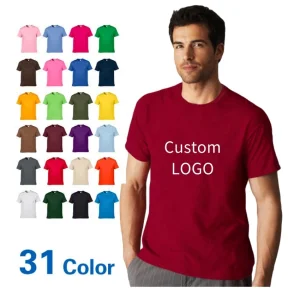
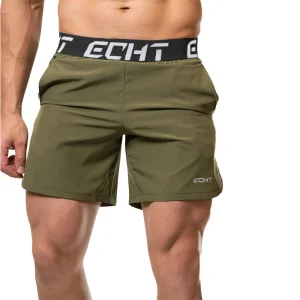
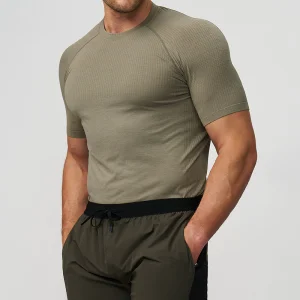
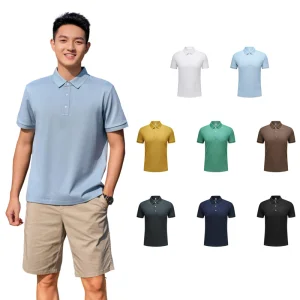
Engineered options tailored for custom hardware integrations, lifestyle, and sportswear brands.