Premium Busan-Market Custom Apparel Highlights
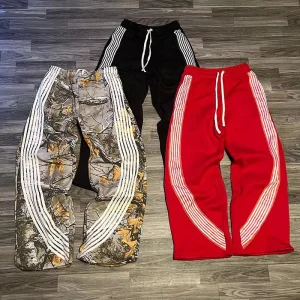
Direct from our manufacturing hubs: high-performance hoodies, sweatpants, and luxury winter outerwears engineered to meet South Korea's strict KC safety guidelines.
Strategic Insights: The Custom Hoodie Market in Busan & East Asia
An executive guide mapping the structural dynamics of apparel customization, supply chain networks, and localization advantages in the Busan port region.
1. The Geopolitical and Logistical Relevance of Busan
Busan, as the fifth busiest container port in the world and the primary maritime gateway of South Korea, represents a vital artery in the global apparel supply chain. For garment wholesalers and brands targeting East Asian markets, Busan is not just a destination but a central distribution axis. With its state-of-the-art port logistics and close alignment with Korea's robust domestic retail standards, sourcing custom hoodies for the Busan market demands an intricate understanding of both maritime distribution efficiencies and localization specifications.
The Korean apparel market operates at a highly accelerated cadence, heavily driven by the global expansion of "K-Fashion" and hyper-localized streetwear trends. Under these conditions, the classic wholesale pipeline is being challenged by hybrid models requiring high flexibility, rapid design iterations, and flawless compliance checks such as the KC (Korea Certification) standard. Mibel Garment’s strategic supply chain optimization addresses these complex dynamics, bridging high-volume fabric sourcing with agile, port-ready logistics.
2. Global Macro Trends & The Streetwear Boom
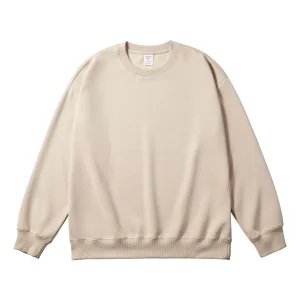
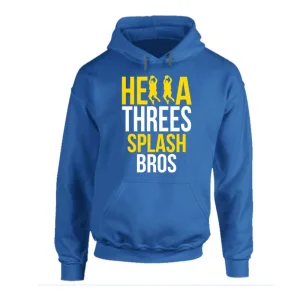
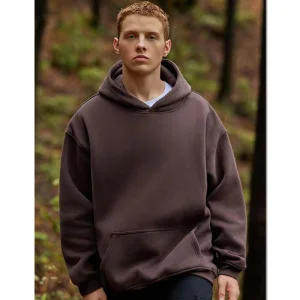
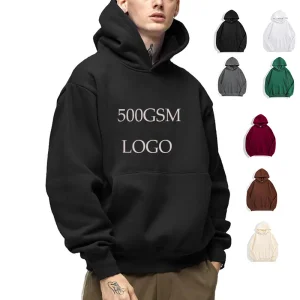
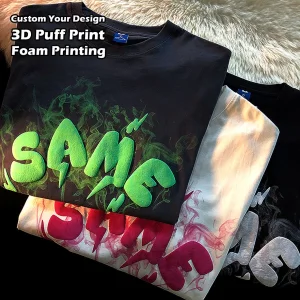
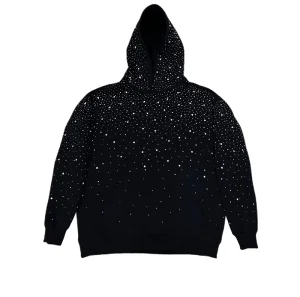
Internationally, custom hoodies have evolved from casual lounge items into the flagship category of modern luxury streetwear. The macro garment industry is witnessing a structural shift towards ultra-heavyweight fabrics (400GSM to 500GSM+), boxy retro silhouettes, and high-density printing techniques such as 3D foam puff print and intricate rhinestone placements. Consumers now demand the longevity of French Terry cotton and the luxury feel of double-layered hoodies.
Simultaneously, the demand for eco-responsible manufacturing has reached critical mass. Global custom hoodie manufacturers must reconcile bulk output with zero-emission dyes, Oeko-Tex certified organic cotton, and optimized logistics that reduce carbon footprints. For partners shipping to Busan Port, this integration of aesthetic trends with rigorous environmental and structural quality metrics constitutes the baseline expectation for commercial success.
About Dongguan Mibel Garment Co., Ltd.
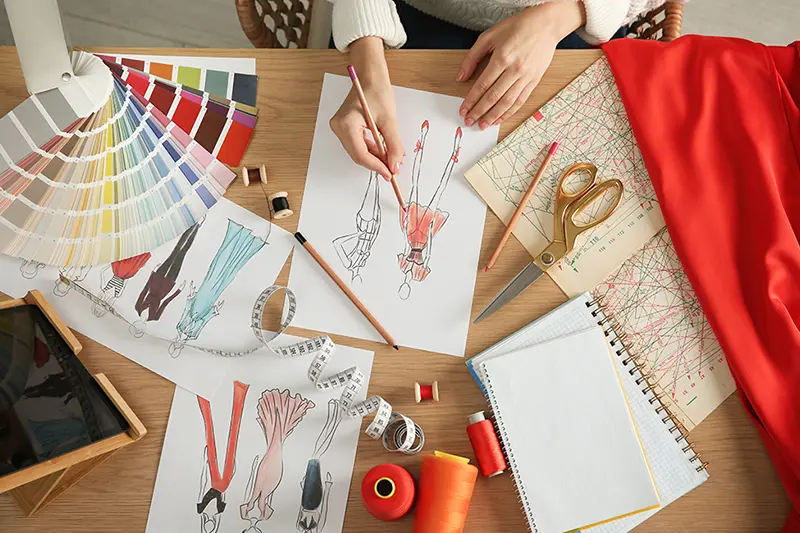
Dongguan Mibel Garment Co., Ltd. (referred to as Mibel) specializes in designing, researching, and producing uniforms. It integrates services and fabric business, founded in April 2007, based in Dongguan city, Guangdong province. Mibel is renowned for its large scale, capable design, and rich culture, making it a key enterprise in Guangdong and a leading garment producer in South China, with national recognition.
Mibel operates over 100 advanced machines and 3 production lines for uniforms, dust-free cloth, and shirts, with an annual production capacity of 1 million pieces. Over the past decade, Mibel has served more than 1000 clients across over 10 countries. With 100 employees, including 30 technicians, its major products fall into 2 categories: high-grade clothing and customized clothing. As a renowned brand in Guangdong province, Mibel is ISO9001 Quality Management System certified. Its managerial team, comprising professionals in garment design, computer embroidery, fabrics, management, and marketing, generates synergistic effects. Mibel aims to expand and strengthen its presence in the industry.
Bridging Dongguan's Manufacturing Power to Busan's Consumer Market
By connecting the industrial manufacturing density of Dongguan with the active retail networks of Busan, Mibel offers local Korean brands a streamlined offshore sourcing platform. Busan-based clients benefit from our extensive local fabric library, which features everything from performance polyester fleece to heavy 500GSM luxury loopback terry. Through automated cutting processes and expert technician supervision, Mibel guarantees consistent sizing and color matching across all wholesale production batches, mitigating supply chain variance for foreign buyers.
Robust OEM & ODM Infrastructure
- Pre-shrunk Reactive Dyeing: Minimizes shrinkage to less than 3% and ensures standard washing durability.
- Advanced Embellishments: Clean rhinestone placement, puff print, high-stitch embroidery, and flocking patterns.
- Flexible Sizing: Engineered Korean-specific fit profiles, featuring boxy drops, oversized shoulders, and tapered hemlines.
Future Outlook: Custom Apparel in the Korean Retail Ecosystem
How we align technical innovation with regional market demands to keep your apparel business ahead of the competition.
KC Certification & Standards
For custom apparel distributed within South Korea, compliance with the Korea Certification (KC) standard is non-negotiable. Mibel prioritizes testing for hazardous substances, formaldehydes, and heavy metals. By ensuring all dye formulations, metal zippers, and drawcord configurations comply with KC safety parameters for adults and children alike, we provide foreign brands a safe entry point into the Korean marketplace.
Korea-Specific Brand Scenarios
From K-Pop concert merch networks in Busan to local university student councils (department custom jackets) and outdoor activewear lines, our custom hoodies fit seamlessly into diverse scenarios. We provide custom sizing layouts that reflect the modern K-fashion aesthetic: oversized silhouettes, clean drop-shoulders, minimal external branding, and high-performance French terry fabrics.
Smart Textiles & 3D Prototyping
Looking forward, Mibel is incorporating 3D design mapping to dramatically shorten sample lead times. Instead of waiting weeks for physical prototypes to travel between Guangdong and Busan, clients can review digital fit mockups. Our R&D teams are also testing eco-responsible fabrics, including recycled polyester blends and organic cotton lines, to help brands reach their sustainability targets.
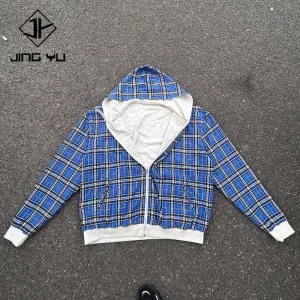
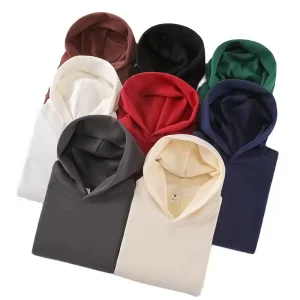
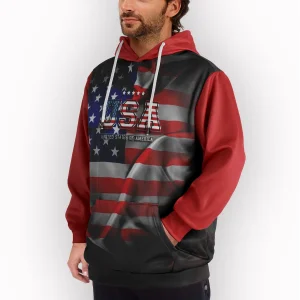
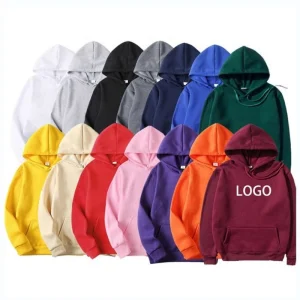
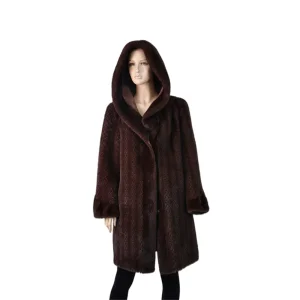
Full Customization & Wholesales Selection for Busan Market
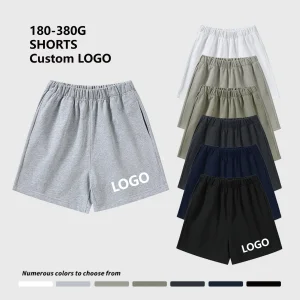
Explore our broader range of custom apparel products. We maintain high consistency in dyeing, stitching, and finishing processes across all lines.
Frequently Asked Questions
Critical knowledge regarding custom hoodie imports, logistics into Busan port, and standard certification rules.
What is the minimum order quantity (MOQ) for custom hoodie manufacturing?
How do you guarantee apparel quality and compliance for the South Korean market?
What are the transit logistics and timelines from your production facility to Busan Port?
Do you offer 3D prototyping and custom sampling prior to full bulk runs?
Ready to Scale Your Brand in the Busan Market?
Partner with a verified manufacturer combining Dongguan's industrial strength with local market customization expertise. Get a free catalog, pricing matrices, and fabric swatch sets.
Connect With Our Sourcing Experts