Innovative Corporate & Tech Labeling Solutions for Cambodia
High-end accessories and hardware branding engineered to boost visibility and supply chain identification
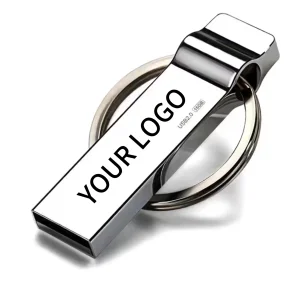
Cambodia Corporate Tech Special: High-Speed 128GB Waterproof USB Memory Stick with Custom Logo
View Product Details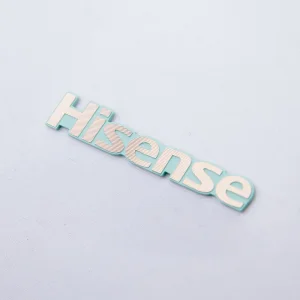
Phnom Penh SEZ Wear-Resistant Aluminum Metal Nameplate Warning Signs & Label Tags
View Product Details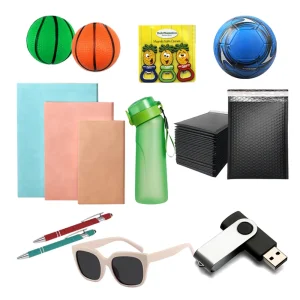
Cambodia Brand Forum Custom Logo Promotional Gifts - Pen, Tumbler, Bag & Cap Pack
View Product Details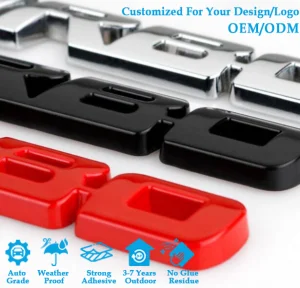
Premium Chrome Silver 3D Metal ABS Plastic Auto Emblems & Custom Badges for Cambodia Automotive Markets
View Product Details1. Cambodia's Emerging Role in the Global Packaging, Garment & Accessories Supply Chain
Over the past decade, the Kingdom of Cambodia has transformed itself from a traditional agrarian and CMT (Cut-Make-Trim) manufacturing hub into a highly sophisticated node within the global industrial economy. Spurred by strategic geographical positioning, the establishment of highly efficient Special Economic Zones (SEZs) in Phnom Penh, Bavet, and Sihanoukville, and robust trade agreements like the Regional Comprehensive Economic Partnership (RCEP) and EBA (Everything But Arms), Cambodia is now a magnet for multinational manufacturing conglomerates.
Historically dominated by high-volume garment production, the local landscape has undergone an structural shift. Brand owners and manufacturers within the Cambodia market are moving up the value chain, shifting their focus from low-cost assembly to comprehensive branding and product differentiation. This transition has fueled an exponential growth in demand for premium custom labels, high-definition 3D logos, technical nameplates, and advanced garment accessory tags. As companies establish global-facing operations inside Cambodia, they require world-class industrial labeling that meets stringent environmental, safety, and visual requirements.
2. Global Industrial Branding Standards & The Move Toward Intelligent Labeling
Globally, the industrial branding and custom logo label industry is experiencing a technological renaissance. Labels are no longer viewed merely as passive pieces of information; they serve as critical conduits for brand equity, security authentication, and product durability. According to industry surveys, the international market is pivoting rapidly towards sustainable substrates, resilient chemical compositions, and sensory-focused embellishments.
Modern buyers demand labels that can survive extreme environmental stressors—such as intense UV exposure, high humidity, chemical washes, and physical abrasion—while retaining pristine visual fidelity. Technology trends such as micro-embossed 3D metal stickers, high-density silicone heat transfers, and high-conductivity surge protectors with integrated branding represent the vanguard of this revolution. These high-fidelity materials assure end-consumers of the product's origin, quality, and technical compliance, mitigating counterfeit risks and bolstering brand trust.
3. Technical Roadmap: Material Science, Durability, and Precision Fabrication
Developing labels and logos that withstand the tropical climate of Southeast Asia requires advanced engineering and rigorous material science. The relative humidity in Cambodia often exceeds 80%, combined with high average temperatures and intense solar radiation. Standard adhesives and low-grade plastics degrade rapidly under these conditions, resulting in peeling, yellowing, and mechanical failure.
To combat these challenges, advanced label fabrication relies on several distinct technical paths:
Electroformed Nickel & Chrome Badges
Utilizing molecular electrodeposition to build ultra-fine, highly polished metal stickers. These tags present perfect 3D definition with mirror-like finishes, ideal for luxury packaging and consumer electronics.
High-Density 3D Silicone Transfers
Screen-printed with premium eco-friendly liquid silicone ink, resulting in an elastic, raised tactile pattern that stands up to rugged commercial washing cycles without cracking or color loss.
Anodized Aluminum Nameplates
Constructed using electrochemical anodization, creating an oxide layer that embeds colors and text directly inside the metal. Exceptionally resistant to corrosive chemicals and scratching.
By employing high-performance acrylic adhesives from global standard suppliers, our manufacturing process ensures that metallic badges and warning signs anchor securely to substrates ranging from automotive ABS plastics to textured synthetic textiles. These technological applications guarantee that logos remain secure throughout the entire operational lifespan of the host product.
Global Corporate Profile & Core Competencies
Bridging World-Class Manufacturing Capacity with Cambodian Industrial Demands

About Us
Dongguan Mibel Garment Co., Ltd. (referred to as Mibel) specializes in designing, researching, and producing uniforms. It integrates services and fabric business, founded in April 2007, based in Dongguan city, Guangdong province. Mibel is renowned for its large scale, capable design, and rich culture, making it a key enterprise in Guangdong and a leading garment producer in South China, with national recognition.
Mibel operates over 100 advanced machines and 3 production lines for uniforms, dust-free cloth, and shirts, with an annual production capacity of 1 million pieces. Over the past decade, Mibel has served more than 1000 clients across over 10 countries. With 100 employees, including 30 technicians, its major products fall into 2 categories: high-grade clothing and customized clothing. As a renowned brand in Guangdong province, Mibel is ISO9001 Quality Management System certified. Its managerial team, comprising professionals in garment design, computer embroidery, fabrics, management, and marketing, generates synergistic effects. Mibel aims to expand and strengthen its presence in the industry.
OEM & ODM Solutions
We excel in professional clothing Original Equipment Manufacturing (OEM) and Original Design Manufacturing (ODM) services. With years of industry expertise, we offer comprehensive solutions tailored to meet our clients' unique needs and specifications. Our dedicated team oversees every aspect of the production process, from initial design concepts to final product delivery. We specialize in bringing our clients' visions to life, ensuring each garment reflects their brand identity and quality standards. Whether it's creating custom designs or manufacturing existing ones, we provide personalized support and guidance every step of the way. Partner with us for exceptional clothing OEM and ODM services.
Advanced Labeling, Hardware & Wearables Catalog
A complete suite of premium brand identification, industrial warnings, and durable labels optimized for Cambodia’s diverse commercial ecosystems
Cambodia Consumer Electronics Custom 3D Nickel Metal Stickers Logo for Premium Branding
View Product Details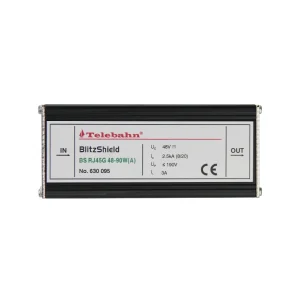
Cambodia Infrastructure: RJ45 CAT6 Ethernet Surge Protector 48V 90W 1000Mbps with Custom Corporate Branding
View Product Details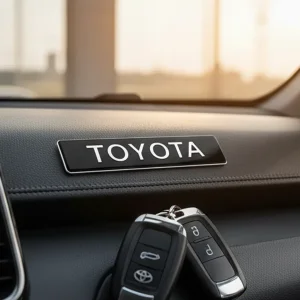
Sophisticated Name Tag Custom Corrosion Resistant Crafts Metal Brand Logo for Cambodia Outlets
View Product Details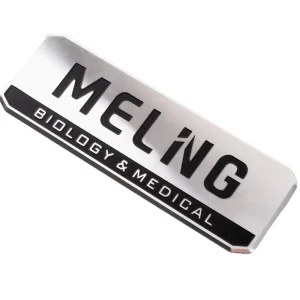
Cambodia Industrial Grade Custom 3D Metal Nickel Self Adhesive Sticker Logo for Corporate Packaging
View Product Details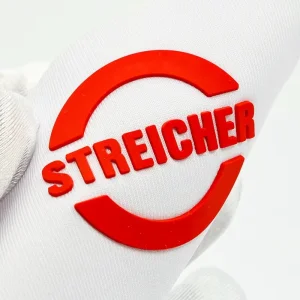
Cambodia Apparel Export Quality: Heat Transfer Stickers Clothing Garment 3D Silicone Raised Puff Logo
View Product Details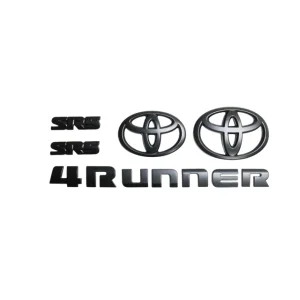
Cambodia Fleet Sourcing: Factory Wholesale Custom Emblem Badge Decal Symbols
View Product Details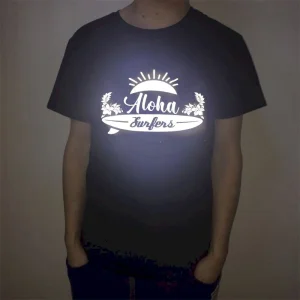
Safety Compliance: Custom Reflective Shirt Logo Iron-on Screen Print Heat Transfer Stickers
View Product Details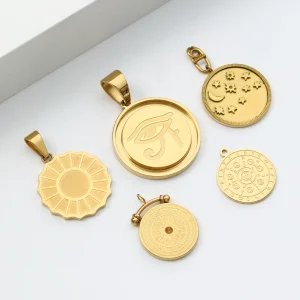
Cambodia Jewelry & Bag Industry: Custom 3D Metal Engraved Stainless Steel Charm Pendant with Ring
View Product Details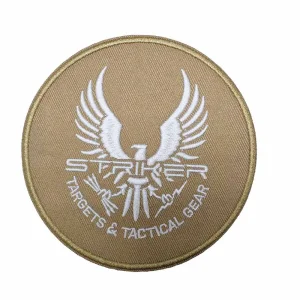
Fancy High-End Custom Design Embroidery Logo for Cambodia Apparel Manufacturers
View Product Details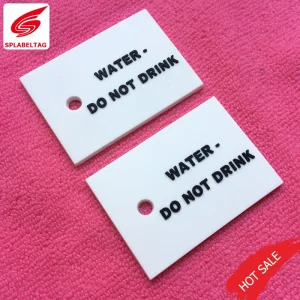
Outdoor Gear Branding: Custom Logo Sew-on PVC Rubber Tags for Cambodia Cap Suppliers
View Product Details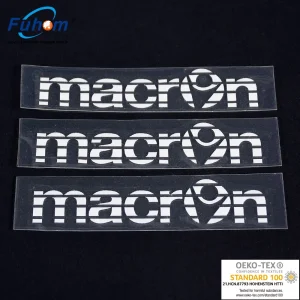
Performance Wear: Custom 3D Heat Transfer Raised Rubber Silicone Logo for Clothing Jackets
View Product Details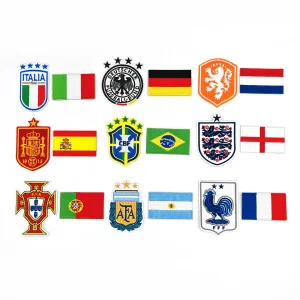
Athletic Teams Sourcing: DIY Custom Football Clothing Team Logos of Various Durable Materials
View Product Details4. Comprehensive Macro-Industry Solutions: Structuring the Procurement Pipeline
For global buyers and supply chain directors managing production in Cambodia, sourcing accessories is a balancing act of quality assurance, regulatory compliance, and logistical agility. Importing finished packaging or labels from distant suppliers leads to extended lead times, air freight expenses, and manufacturing bottlenecks. By establishing a direct, comprehensive OEM/ODM pipeline that serves Cambodia, Mibel mitigates these supply chain vulnerabilities.
Our integrated solutions span multiple key industrial sectors:
The Apparel and Footwear Industry: Our 3D silicone raised logos and heat transfer stickers conform precisely to OEKO-TEX Standard 100 parameters, ensuring they are free from harmful chemical sensitizers. These accessories are engineered to stretch seamlessly alongside synthetic spandex or elastic activewear, eliminating cracking and skin irritation.
The Consumer Electronics Sector: Precision assembly plants operating in Sihanoukville and Phnom Penh Special Economic Zones require high-fidelity branding solutions like micro-etched electroformed nickel stickers. These luxury embellishments provide an instant sensory indicator of quality when applied to high-speed USB flash drives, computing equipment, or smart home appliances.
The Industrial and Automotive Sector: Anodized aluminum plates and wear-resistant warning signage are critical to ensuring workplace safety and operational efficiency inside factory plants. They remain legible under harsh chemicals, abrasive rubbing, and tropical weather extremes.
5. Frequently Asked Questions (FAQ) & Technical Troubleshooting
Q: How do Mibel's custom labels perform against the high humidity and high temperatures of the Cambodia market?
A: Our materials are meticulously engineered for tropical and industrial environments. Our aluminum metal signs undergo electrochemical anodization, producing a robust surface oxide layer that blocks moisture oxidation. For self-adhesive metallic stickers and custom nickel emblems, we employ high-bond acrylic adhesives from world-class chemical suppliers. These adhesives undergo environmental testing at thermal ranges from -40°C to +120°C, ensuring there is zero adhesive migration, edge-peeling, or visual degradation under high ambient humidity.
Q: Are Mibel's 3D silicone heat transfer stickers compliant with global garment export chemical regulations?
A: Yes. All of our silicone transfer inks, color pigments, and polyurethane backing agents comply fully with EU REACH regulations, RoHS directives, and OEKO-TEX Standard 100 criteria. We utilize high-density, eco-friendly liquid silicone compounds that are free from heavy metals, phthalates, and PVC. This ensures your apparel exports from Cambodia will pass customs inspections and third-party laboratory tests (such as SGS, Intertek, or QIMA) in the European Union, North America, and Japan.
Q: What is the typical lead time for custom branding labels shipped directly to manufacturers in Cambodia?
A: Our typical lead times range from 7 to 10 working days for visual design proofing and initial prototyping. Upon customer approval, high-volume production requires approximately 12 to 18 days depending on the manufacturing complexity. Through optimized logistical paths linking our Dongguan manufacturing facilities directly to Phnom Penh, Bavet, and Sihanoukville SEZs, we guarantee fast, tax-efficient delivery schedules to minimize your manufacturing downtime.
Q: Can Mibel customize labels based on existing vector artwork files or CAD blueprints?
A: Absolutely. Our engineering department works with standard vector file formats (.AI, .EPS, .CDR, .DXF) and high-resolution CAD files. Our ODM/OEM specialists work hand-in-hand with your design staff to adjust embossing depths, gradient borders, metallic textures, and edge tolerances, ensuring the physical output matches your blueprint specifications precisely.