Mibel Garment
Global Landscape of Custom Fabric Printing
The global textile and custom fabric printing industry is undergoing a massive paradigm shift. As consumers move away from mass-produced, generic garments, the demand for high-quality, personalized, and on-demand fabric printing has skyrocketed. Today, the market is valued at billions of dollars, with a compound annual growth rate (CAGR) that outpaces traditional garment manufacturing. This surge is driven by the rise of e-commerce, independent fashion brands, and the increasing feasibility of digital textile printing (DTP) technology.
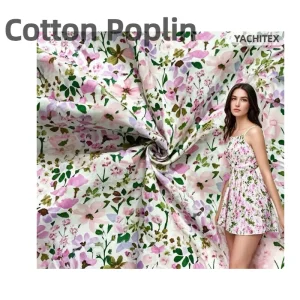
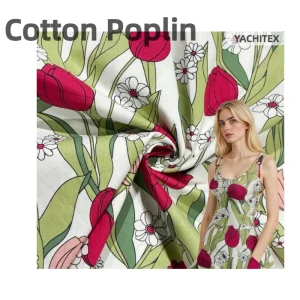
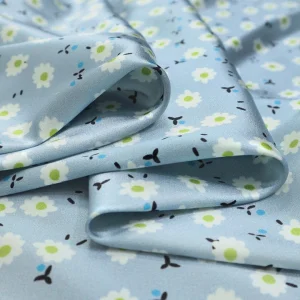
In the industrial sphere, custom fabric printing is no longer just about aesthetics; it’s about precision, speed, and sustainability. Advanced inkjet technologies and eco-friendly pigment inks are replacing older, water-intensive dyeing methods. China, as the world's leading textile hub, has integrated AI-enhanced logistics and smart factory protocols to ensure that high-volume orders for "China OEM Custom Fabric Printing" are fulfilled with zero-defect accuracy. Whether it is reactive printing for natural fibers like silk and cotton or dye-sublimation for synthetics, the technical maturity of Chinese factories allows for unparalleled creative freedom for global designers.
Industry Trends: The Digital Revolution
Current trends point toward Hyper-Personalization and Sustainability. Brands are now seeking manufacturers that can provide low Minimum Order Quantities (MOQ) without sacrificing the cost-per-unit. This "Fast-Fashion 2.0" requires a supply chain that can react in real-time to social media trends.
Technologically, AI is now used to optimize pattern nesting, reducing fabric waste by up to 15%. Furthermore, there is a shift toward "Green Printing," utilizing biodegradable inks and recycled polyester bases. As a premier China OEM factory, we stay ahead of these trends by investing in the latest digital machinery that consumes 60% less water than traditional screen printing.
Why Global Enterprises Choose China OEM Fabric Printing
Supply Chain Verticality
From raw fiber sourcing to final garment assembly, China offers a complete ecosystem. Global procurement officers benefit from reduced lead times and a simplified management process by consolidating their fabric needs with a single OEM partner.
Technical Versatility
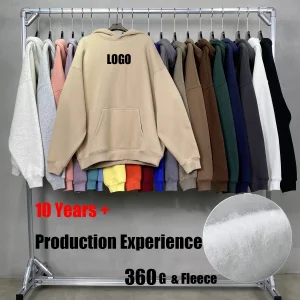
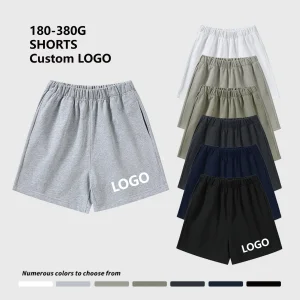
Our facility handles a wide range of fabric weights, from 180GSM lightweight tees to 640GSM heavy hoodies. This versatility is essential for brands looking to launch seasonal collections under one roof.
Quality Assurance
International standards like ISO9001 and OEKO-TEX certification are now standard in top-tier Chinese factories, ensuring that the fabrics are safe for consumers and meet global retail regulations.
Localized Application Scenarios
Custom fabric printing isn't limited to the catwalk. We see high demand in various localized sectors:
- Athleisure: High-performance wicking fabrics for sports clubs and fitness influencers.
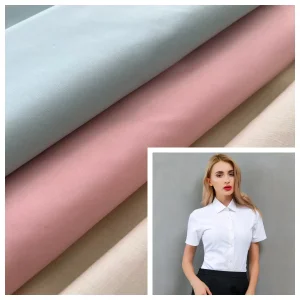
- Corporate Branding: Specialized uniforms and promotional apparel that require exact brand color matching (Pantone precision).
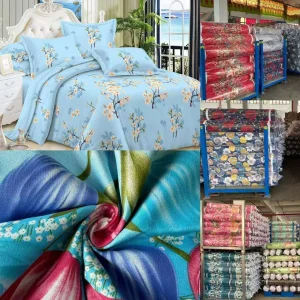
- Home Décor: Custom printed bedding, curtains, and upholstery for interior design firms.
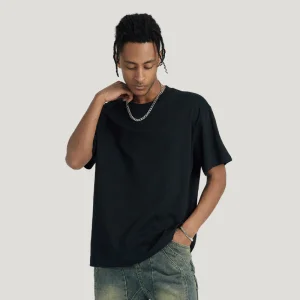
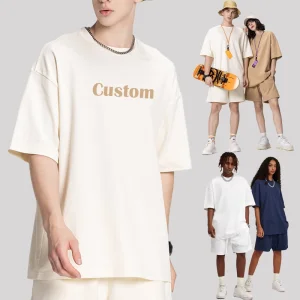
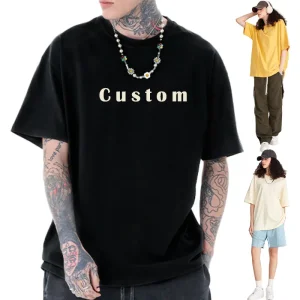
- Streetwear: Heavyweight cotton fabrics with puff printing or digital graphics for urban fashion labels.
Our Manufacturing Powerhouse
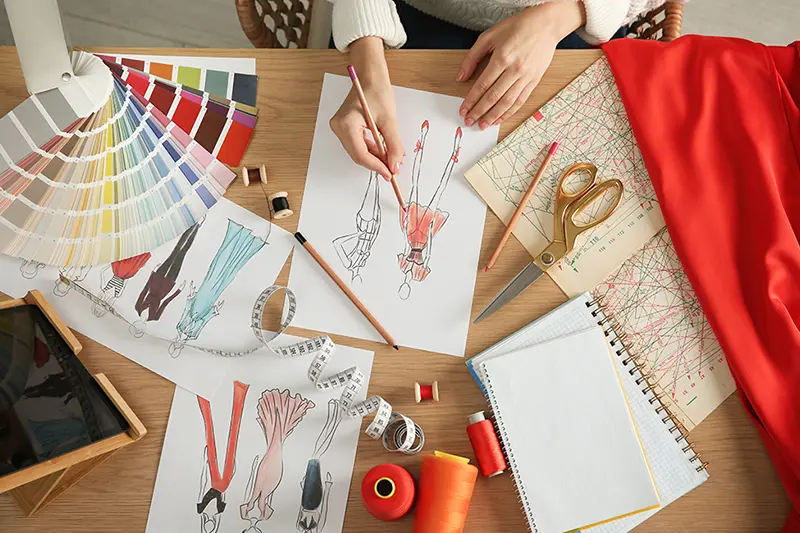
Dongguan Mibel Garment Co., Ltd. (referred to as Mibel) specializes in designing, researching, and producing uniforms. It integrates services and fabric business, founded in April 2007, based in Dongguan city, Guangdong province. Mibel is renowned for its large scale, capable design, and rich culture, making it a key enterprise in Guangdong and a leading garment producer in South China, with national recognition. Mibel operates over 100 advanced machines and 3 production lines for uniforms, dust-free cloth, and shirts, with an annual production capacity of 1 million pieces. Over the past decade, Mibel has served more than 1000 clients across over 10 countries. With 100 employees, including 30 technicians, its major products fall into 2 categories: high-grade clothing and customized clothing. As a renowned brand in Guangdong province, Mibel is ISO9001 Quality Management System certified. Its managerial team, comprising professionals in garment design, computer embroidery, fabrics, management, and marketing, generates synergistic effects. Mibel aims to expand and strengthen its presence in the industry.
OEM & ODM Solutions
We excel in professional clothing Original Equipment Manufacturing (OEM) and Original Design Manufacturing (ODM) services. With years of industry expertise, we offer comprehensive solutions tailored to meet our clients' unique needs and specifications. Our dedicated team oversees every aspect of the production process, from initial design concepts to final product delivery. We specialize in bringing our clients' visions to life, ensuring each garment reflects their brand identity and quality standards. Whether it's creating custom designs or manufacturing existing ones, we provide personalized support and guidance every step of the way. Partner with us for exceptional clothing OEM and ODM services.
Unlocking the Value of China-Based Custom Fabrication
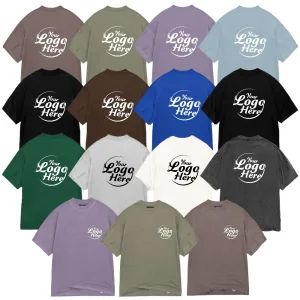
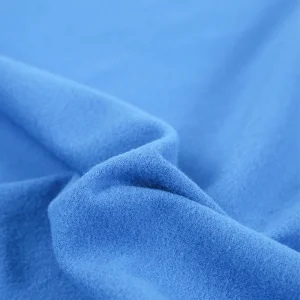
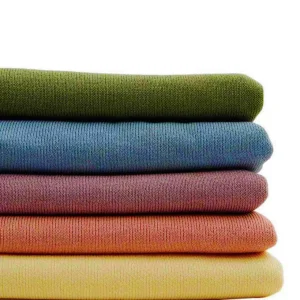
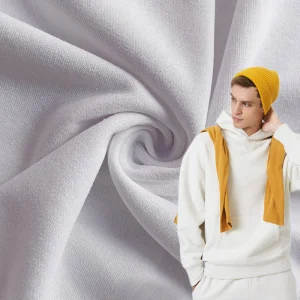
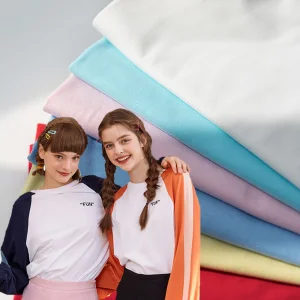
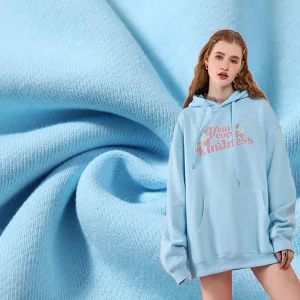
Choosing a China OEM Custom Fabric Printing Manufacturer like Mibel offers strategic advantages that are difficult to replicate elsewhere. Firstly, the proximity to the world’s largest raw material markets in Dongguan and Guangzhou means we can source specialized yarns—from Pima cotton to recycled ocean plastics—within hours, not weeks. This agility allows us to provide over 16 variations of French Terry and Jersey fabrics, as seen in our product catalog.
Secondly, our workforce combines traditional craftsmanship with robotic precision. While our machines handle the high-speed digital printing, our 30 senior technicians oversee the "hand-feel" and color depth, ensuring the "custom" in custom printing is truly bespoke. We leverage big data to predict fabric shrinkage and color fastness, providing a technical data sheet for every batch produced.
Lastly, the cost-to-quality ratio remains unbeatable. By utilizing solar-powered facilities and heat-recovery systems in our printing process, we reduce overhead costs and pass those savings directly to our global partners, making luxury-level custom printing accessible to startups and multinational corporations alike.